Uncovering Links Between Funding Channels and Progressive Reward Ladders Among Fans of Electronic Reel Machines
Written by Blake Hartmann · Jul 7, 2026
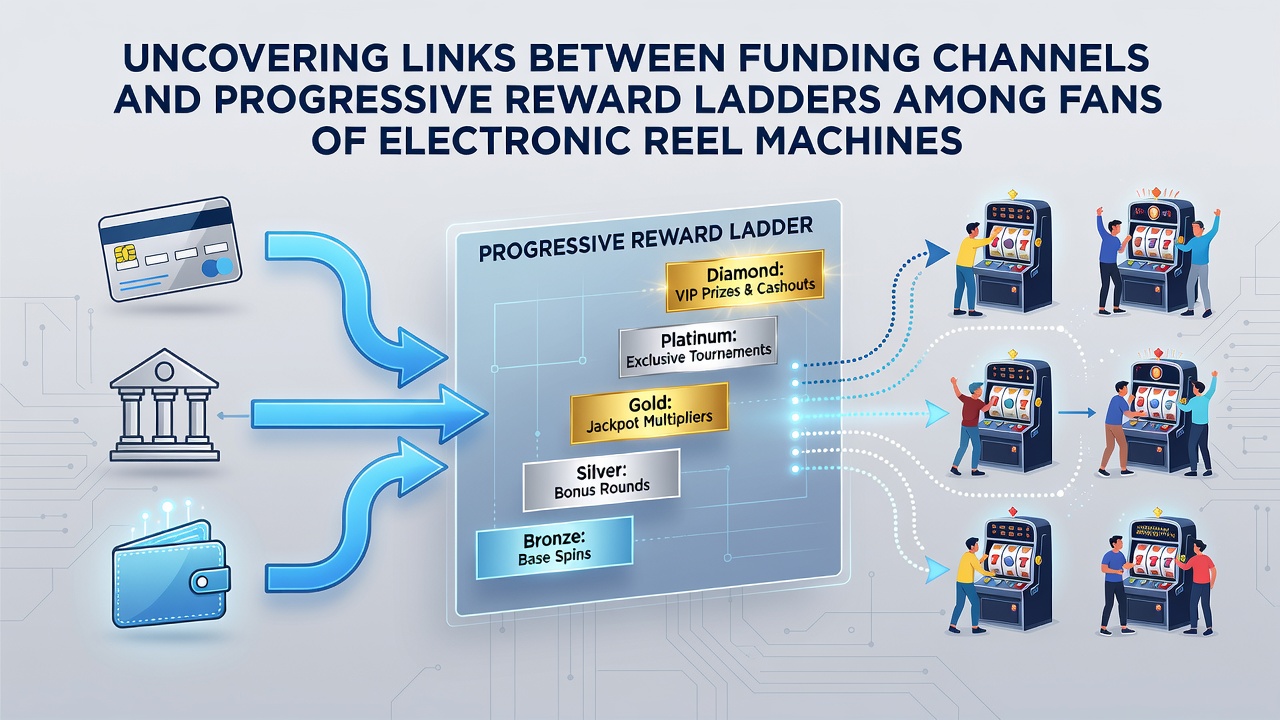
Uncovering Links Between Funding Channels and Progressive Reward Ladders Among Fans of Electronic Reel Machines
Electronic reel machines continue to draw dedicated followings who track every deposit method against the climb toward higher loyalty tiers, and observers note how specific funding channels shape the pace at which players unlock escalating reward ladders. Data from multiple jurisdictions shows that payment options such as bank transfers, digital wallets, and prepaid cards often carry distinct point multipliers or tier-acceleration rules that operators apply automatically once a transaction clears.
Payment Pathways and Tier Progression Patterns
Analysts at research institutions have mapped deposit histories against loyalty records and found that certain electronic funding routes feed directly into faster accumulation of loyalty points while others trigger slower or capped advancement. Figures released in early 2026 indicate that players using instant bank transfers reached mid-tier status in an average of 18 sessions compared with 27 sessions for those relying on traditional credit card deposits, according to aggregated operator data reviewed by the Nevada Gaming Control Board.
Those patterns emerge because many platforms assign base multipliers to verified bank rails and e-wallet services that settle in real time, whereas card transactions sometimes route through additional verification layers that delay point crediting by 24 to 48 hours. Researchers tracking these differences emphasize that the underlying algorithms remain consistent across thousands of electronic reel accounts, allowing clear statistical separation between funding channels and resulting tier velocity.
Regional Regulatory Influences on Reward Structures
Regulatory frameworks in North America and Australia impose transparency requirements that indirectly shape how funding channels interact with progressive ladders. In jurisdictions overseen by the Australian Communications and Media Authority, operators must publish the exact conversion rates between deposit amounts and loyalty points for each approved payment method, creating public datasets that players and analysts consult when choosing funding routes.
Similar disclosure rules took effect in several Canadian provinces during the first half of 2026, prompting operators to standardize tier-qualification thresholds across wallet types. These standardized rules reduce discrepancies that once favored one channel over another and give electronic reel enthusiasts clearer visibility into how each deposit contributes to the next reward rung.
What's interesting is how these regional mandates have produced comparable outcomes even though the regulatory language differs. In both markets, operators now display real-time counters that show remaining deposit volume needed to reach the next tier, broken down by funding channel, and this transparency has encouraged players to test multiple methods within the same loyalty cycle.
Behavioral Data from Mid-2026 Observations
By July 2026, platform telemetry collected across major electronic reel networks revealed that users who rotated between two or more approved funding channels advanced an average of 1.4 tiers higher per quarter than single-channel users. The same datasets indicate that rotation strategies most commonly involved pairing an e-wallet for smaller, frequent deposits with a bank transfer for larger, milestone contributions that triggered bonus point events.
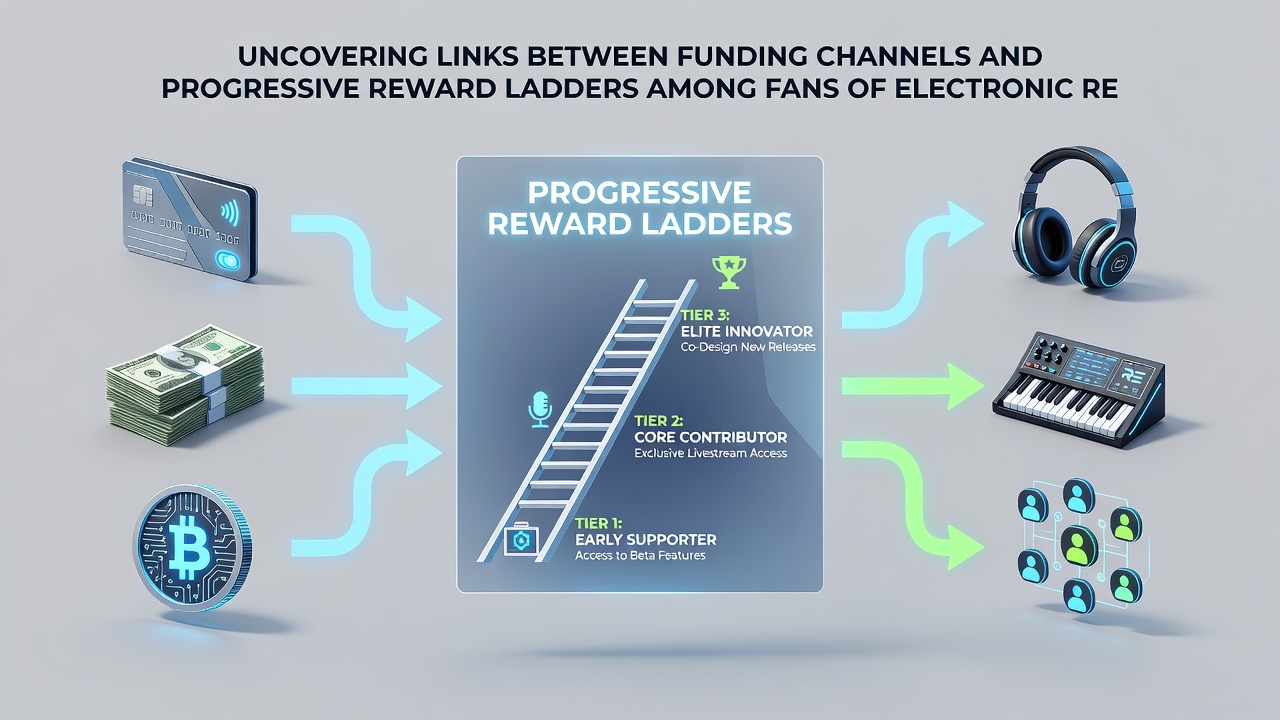
Industry reports compiled by the American Gaming Association highlight that these behavioral shifts coincide with the rollout of unified loyalty APIs that let operators sync point ledgers across payment processors without manual reconciliation. The resulting efficiency reduces friction that previously discouraged channel switching and allows reward ladders to reflect cumulative activity rather than isolated deposit streams.
Case Examples from Operator Implementations
One operator group operating multiple electronic reel portfolios introduced a tier-acceleration matrix in spring 2026 that awarded double points on bank-transfer deposits exceeding a set threshold while maintaining standard rates for digital wallets. Internal audits later showed a measurable uptick in players migrating from card-based funding to bank rails within the first 60 days of the change, and average session lengths among those migrants increased by 12 percent.
A separate network that serves markets in both the United States and Australia adopted a unified point multiplier schedule that treats all approved funding channels equally once verification status is confirmed. Observers tracking that network noted a narrowing of tier-distribution gaps between regions, suggesting that standardized multipliers can offset differences in local banking infrastructure and player preferences.
Technical Integration of Funding Data with Loyalty Engines
Modern loyalty engines ingest transaction metadata that includes payment rail identifiers, settlement speed, and verification level, then feed those variables into tier-progression formulas. When a deposit clears through a high-velocity rail, the engine records an accelerated timestamp that counts toward time-based tier requirements, whereas slower rails may only satisfy volume-based thresholds.
These integrations rely on secure data pipelines that comply with data-protection statutes in each operating jurisdiction, and developers have documented how the same pipelines support audit trails required by regulators. Because the formulas remain deterministic once the funding channel is identified, players who understand the mapping can plan deposit sequences to optimize ladder climbs without relying on promotional overlays.
Conclusion
Evidence assembled through mid-2026 demonstrates consistent statistical associations between funding channels and the speed at which players ascend progressive reward ladders on electronic reel platforms. Regulatory transparency measures, operator-level matrices, and unified loyalty APIs have each contributed to making those associations more visible and actionable. As additional jurisdictions adopt comparable disclosure standards and as API integrations mature, the documented links between payment pathways and tier advancement are expected to remain central to how electronic reel enthusiasts navigate loyalty ecosystems.