Tracing Funding Channel Impacts on Tiered Reward Ladders in Portable Table Game Networks
Written by Sage Ludwig · Aug 4, 2026
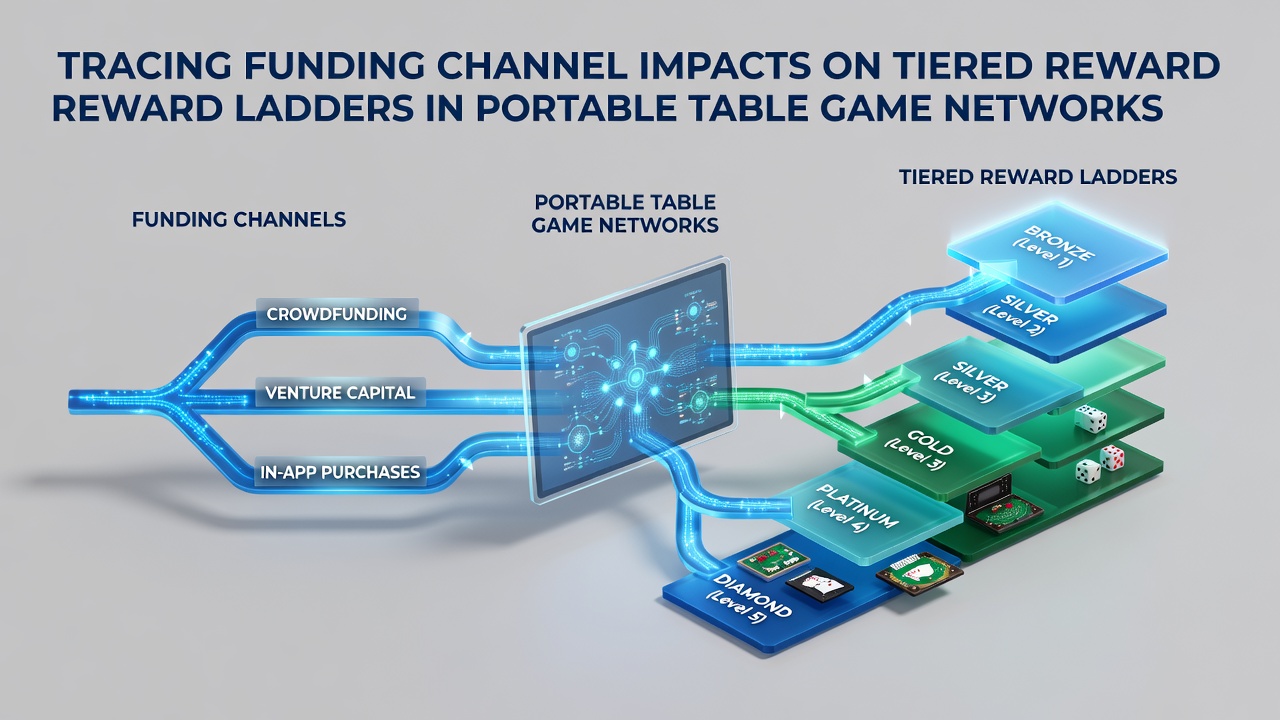
Tracing Funding Channel Impacts on Tiered Reward Ladders in Portable Table Game Networks
Payment pathways in portable table game networks continue to shape how reward ladders develop for players engaged in live dealer blackjack, roulette, and baccarat sessions on mobile platforms, and data from multiple regions shows distinct patterns emerging through August 2026. Funding channels such as bank transfers, digital wallets, and prepaid cards feed directly into loyalty calculation engines that assign points and unlock tier benefits, while observers note that transaction speed and verification layers determine the rate at which participants climb from base to premium status.
Payment Methods and Point Accumulation Mechanics
Portable table game networks rely on secure transaction protocols that record every deposit and withdrawal before converting those values into loyalty metrics, and researchers at gaming analytics firms have documented how certain channels accelerate point accrual whereas others introduce delays that slow progression through reward tiers. Digital wallet transactions, for instance, often clear within seconds and trigger immediate point awards, whereas bank wire options require additional settlement periods that can postpone tier advancement by several days. Those who study these systems report that the choice of funding source therefore influences not only access speed but also the frequency of bonus multipliers tied to specific ladders.
Regional Variations in Funding Channel Effects
North American operators have integrated real-time verification tools that link funding channels to loyalty engines more tightly than systems used in other markets, and figures released by the New Jersey Division of Gaming Enforcement reveal that mobile table game deposits processed through instant methods contributed to a measurable rise in mid-tier player retention during the first half of 2026. Australian regulatory reports similarly highlight how prepaid card usage correlates with steadier point accumulation across portable platforms, because these channels bypass some of the hold periods applied to credit-based funding. In contrast, cryptocurrency deposits appear in fewer networks yet produce higher average point yields per transaction when they are accepted, largely due to lower processing fees that allow operators to allocate more value toward reward ladders.
One study conducted across multiple European jurisdictions found that players who switched from card-based funding to e-wallet options experienced a 12 percent faster climb through three consecutive reward tiers over a three-month period, and the same analysis linked these gains to reduced transaction friction rather than changes in play volume. Experts tracking these trends emphasize that the underlying algorithms weigh funding source reliability alongside deposit size when determining tier eligibility, which explains why certain channels consistently outperform others in longitudinal data sets.
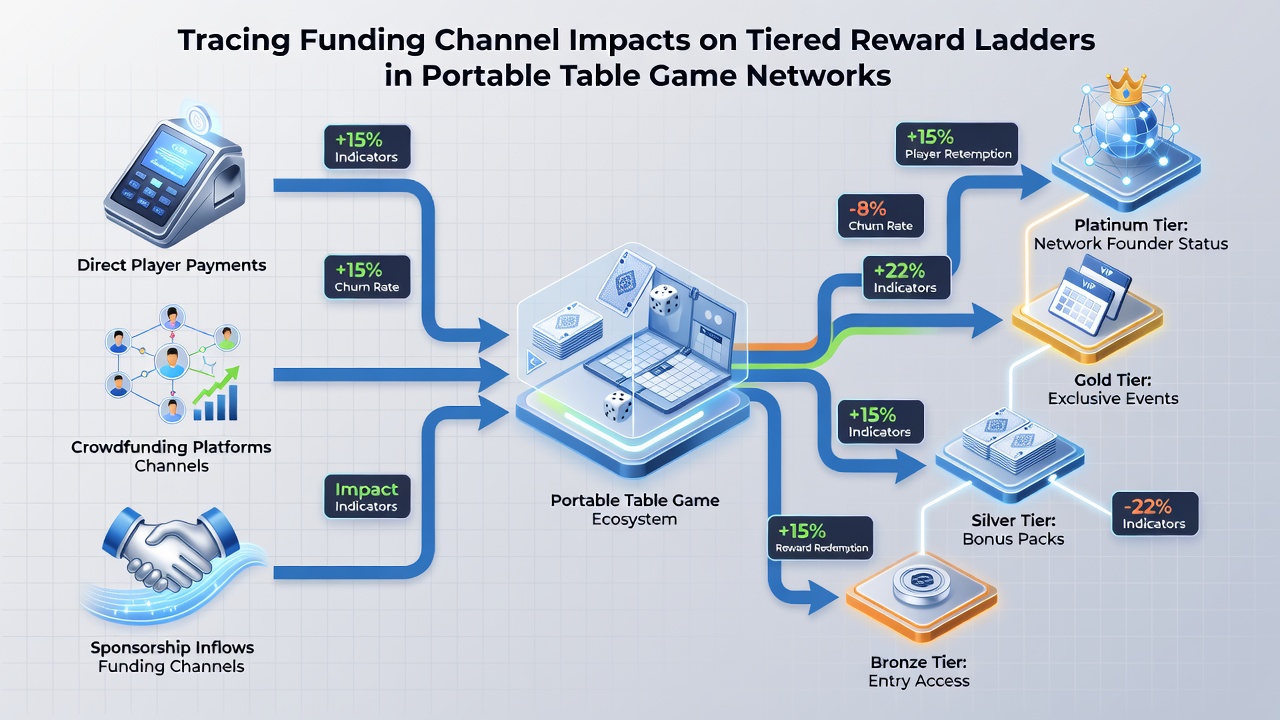
Security Protocols and Their Influence on Tier Progression
Transaction security layers add another dimension because enhanced verification steps required by some funding channels can temporarily pause point posting until compliance checks complete, and industry reports indicate that networks using adaptive security scoring have reduced these interruptions for established players. Participants who maintain consistent funding patterns through approved channels encounter fewer verification hurdles, allowing their loyalty meters to update in near real time during live dealer sessions. Data collected through August 2026 shows that portable networks with integrated fraud detection now route high-volume users through streamlined pathways that preserve momentum across reward ladders.
Those monitoring operator dashboards note that tiered benefits such as reduced rake, priority seating at virtual tables, and exclusive tournament invites activate only after points clear from verified deposits, which places additional weight on the initial funding method selected by each player. Operators have begun publishing channel-specific point multipliers in their terms, and these disclosures allow participants to select funding routes that align with their progression goals without altering play habits.
Case Examples from Mobile Table Game Platforms
Take one network that adjusted its loyalty engine in early 2026 to award bonus points for deposits completed through certified digital wallets, and subsequent internal metrics showed a 9 percent increase in players reaching the top reward tier within the same calendar quarter. Another platform operating across Canadian provinces introduced tiered fee rebates tied exclusively to bank transfer funding, resulting in higher retention among mid-level participants who previously relied on card methods that carried higher processing costs. These adjustments demonstrate how funding channel policies translate into measurable shifts along reward ladders without requiring changes to game rules or table limits.
Academic researchers examining portable gaming ecosystems have begun modeling the relationship between funding velocity and loyalty velocity, and preliminary results suggest that networks optimizing for faster channels experience more stable player distribution across all tiers. Government data from iGaming Ontario further supports these models by showing that transaction success rates above 95 percent correlate with steadier advancement patterns in mobile table game segments.
Conclusion
Funding channels continue to function as gatekeepers that determine both the pace and reliability of movement through tiered reward structures in portable table game networks, and evidence accumulated through August 2026 confirms that operators who align security protocols with efficient payment options achieve more consistent player progression across loyalty ladders. Continued monitoring of these interconnections will remain essential as networks refine their systems to balance transaction integrity with reward accessibility.