The Interplay of Transaction Security Layers and Volatility Tuning in Portable Slot Ecosystems for Advancing Loyalty Participants
Written by Sage Ludwig · Jun 14, 2026

The Interplay of Transaction Security Layers and Volatility Tuning in Portable Slot Ecosystems for Advancing Loyalty Participants
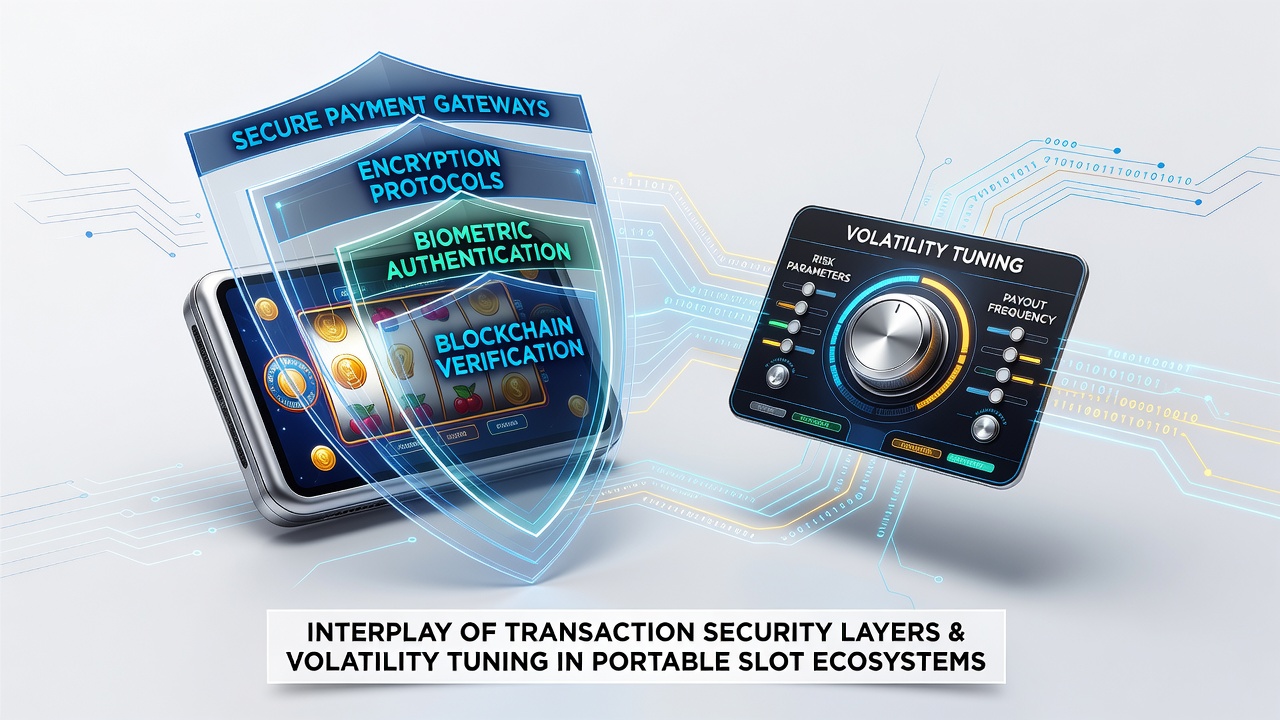
Portable slot ecosystems rely on multiple transaction security layers to protect player data while volatility tuning mechanisms adjust game parameters to suit different loyalty tiers, and observers note that these elements work together to support participant advancement through structured reward pathways. Research from industry reports shows that encryption protocols, multi-factor authentication systems, and real-time monitoring tools form the foundation of secure mobile transactions, whereas volatility settings determine payout frequency and size based on player behavior patterns collected during those transactions.
Security Foundations in Mobile Slot Transactions
Transaction security begins with layered protocols that include end-to-end encryption alongside tokenization methods, and data indicates these measures prevent unauthorized access during deposits and withdrawals in portable environments. Studies conducted by regulatory bodies such as the Nevada Gaming Control Board reveal that secure channels enable operators to track loyalty point accumulation without compromising sensitive financial details, which in turn supports more precise adjustments to slot parameters. Those who've analyzed transaction logs find that authentication processes often integrate biometric verification with device fingerprinting, and this combination reduces fraud incidents while generating reliable datasets for volatility calculations.
Operators apply these security layers across various payment gateways, yet the resulting data streams feed directly into algorithms that tune game volatility for loyalty participants at different stages. Figures from 2025 deployments show increased adoption of such integrated systems in North American markets, and experts observe that seamless security supports higher engagement rates among mobile users advancing through tiered programs.
Volatility Tuning Mechanisms and Loyalty Integration
Volatility tuning involves modifying return-to-player percentages and variance levels to align with player profiles derived from secure transaction histories, and researchers have documented how lower volatility settings appeal to entry-level loyalty members seeking consistent small wins while higher settings target advanced participants chasing larger payouts. Portable slot platforms use this tuning to personalize experiences, with algorithms processing encrypted transaction data to determine optimal settings for each user segment. Evidence from operational reviews indicates that these adjustments occur dynamically during sessions, and they correlate with improved retention metrics when tied to loyalty progression milestones.
One case examined by analysts at the Alcohol and Gaming Commission of Ontario highlighted platforms where volatility parameters shifted based on verified transaction volumes, leading to measurable increases in point redemption rates among mid-tier participants. This process relies on secure data flows that maintain privacy standards while allowing real-time feedback loops between security systems and game engines, and the result is a more targeted approach to advancing loyalty status.
Interconnections Driving Participant Advancement
The interplay emerges when security-verified transaction data informs volatility models that reward consistent activity with personalized game settings, and reports show this synergy helps loyalty participants reach higher tiers through accumulated points and tailored play experiences. In June 2026, platform updates across several providers incorporated enhanced security monitoring that directly influenced volatility calibration tools, according to aggregated industry statistics. Participants benefit as secure environments reduce disruptions from verification delays, which allows uninterrupted sessions where tuned volatility can accelerate progression toward exclusive rewards.
Analysts note that regions like parts of Canada and Australia have seen similar integrations, where transaction security supports regulatory compliance and simultaneously enables fine-grained volatility controls. Data collected through these layers reveals patterns in player spending and session length, which operators then use to refine settings that encourage continued loyalty program participation without altering core game mathematics.
Regional Data and Implementation Patterns
Implementation varies by jurisdiction, with North American operators often prioritizing multi-layered authentication that feeds into volatility engines designed for mobile loyalty ecosystems. A 2025 study from academic sources associated with gaming research centers found correlations between robust security frameworks and improved loyalty retention, particularly when volatility tuning responded to transaction frequency metrics. Those monitoring portable slot trends observe that such systems scale effectively across different device types, maintaining consistent security while adapting volatility to individual loyalty pathways.
Additional examples include European deployments where secure transaction protocols link to centralized loyalty databases, and volatility adjustments occur based on aggregated yet anonymized player data. This approach maintains compliance with regional standards while advancing participants through structured reward mechanisms tied to their engagement levels.
Conclusion
Transaction security layers and volatility tuning continue to interconnect within portable slot ecosystems, creating pathways that support loyalty participant advancement through data-driven personalization. Observers track ongoing developments in these areas as operators refine integration methods to sustain secure and engaging mobile environments across global markets.