Payment Gateway Integrations Drive Adaptive Mechanics in Mobile Table Game Reward Tiers
Written by Freya Hansen · Aug 11, 2026

Payment Gateway Integrations Drive Adaptive Mechanics in Mobile Table Game Reward Tiers
Payment gateway integrations now link directly to adaptive game mechanics that adjust reward tier progress for enthusiasts playing portable table games such as blackjack and poker on mobile devices, and these connections allow real-time updates based on transaction data and play patterns. In August 2026 platform reports highlighted how seamless payment processing supports tier advancements by feeding transaction details into algorithms that modify bonus structures and game parameters during sessions.
Core Components of Gateway and Mechanic Linkages
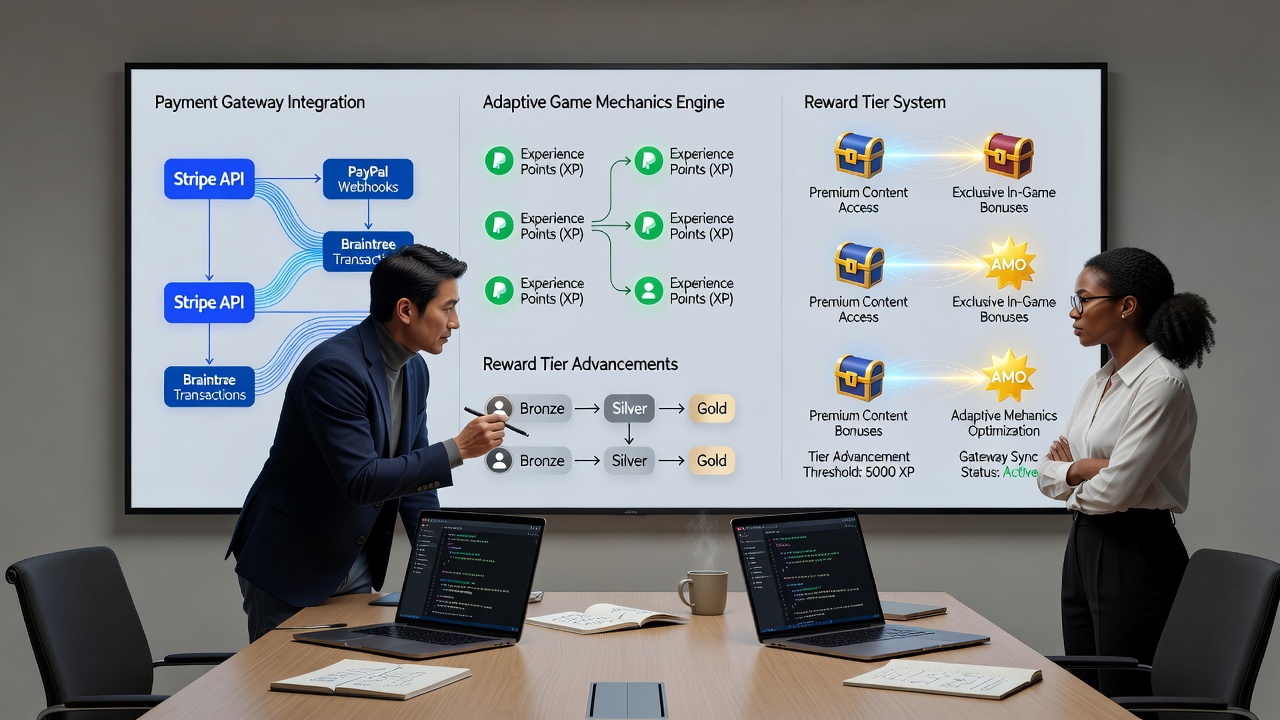
Secure payment gateways process deposits and withdrawals while transmitting metadata to backend systems that track player activity, and this data stream enables adaptive mechanics to respond by altering payout multipliers or unlocking new table variants once certain thresholds are met. Observers note that encryption protocols within these gateways maintain compliance standards across regions, while the same data points feed into loyalty engines that calculate tier status without interrupting gameplay flow.
Portable table game platforms use APIs to connect payment processors with game servers, and this setup permits mechanics to adapt volatility or feature frequency according to a user's current reward tier. Data from multiple operators shows that players advancing through tiers experience customized rule sets, such as adjusted dealer hit rates or enhanced side bet options, once transaction histories confirm eligibility.
Technical Pathways Supporting Tier Progression
Developers embed payment confirmation triggers within game code so that each successful deposit instantly updates the player's tier profile and activates corresponding mechanical changes, and this process relies on low-latency connections between gateway providers and mobile applications. Research indicates that systems handling high volumes of micro-transactions maintain accuracy in tier calculations by batching updates every few seconds rather than after full sessions end.
Those who have examined these architectures describe layered verification steps that cross-reference payment amounts with accumulated playtime before granting tier benefits, and such steps prevent discrepancies between financial activity and reward access. Adaptive elements then respond by scaling reward multipliers or introducing new strategic options tailored to the updated tier level during ongoing portable sessions.
Regional Data Patterns from 2026
Figures released in August 2026 by North American operators revealed increased tier movement among mobile table game users following gateway upgrades that reduced processing delays, and similar trends appeared in European markets where integrated systems allowed mechanics to shift based on combined deposit and wager metrics. According to the American Gaming Association industry summaries, platforms incorporating these linkages recorded higher retention rates for players reaching mid-tier levels compared with earlier non-adaptive versions.
Additional reports from Australian regulatory bodies documented how payment-linked adaptations influenced table selection preferences, with enthusiasts moving toward variants that offered tier-specific mechanics after completing verified transactions. These patterns demonstrate consistent connections between gateway performance and the speed of reward tier advancements across different geographic markets.
Security and Compliance Considerations
Payment gateways maintain separate audit trails that align with adaptive mechanic logs, and this alignment supports regulatory reviews by providing traceable records of how transaction events trigger mechanical adjustments. Platforms operating under frameworks from the Nevada Gaming Control Board incorporate these dual-log systems to ensure that tier advancements remain verifiable and free from manipulation during portable table game play.
Encryption standards applied at the gateway level extend to the data shared with adaptive engines, and this extension protects sensitive player information while still allowing real-time responses that advance reward tiers. Those monitoring compliance have observed that multi-region operators standardize these protocols to handle varying legal requirements without altering the core integration logic.
Future Integration Trends
Industry analyses project continued refinement of API connections that let payment gateways influence a broader range of adaptive features, including dynamic table limits and personalized rule tweaks tied directly to tier status. Data from 2026 already shows early implementations where withdrawal confirmations reset certain adaptive parameters, creating cycles that encourage ongoing engagement among portable table game enthusiasts.
Conclusion
Payment gateway integrations with adaptive game mechanics form a functional framework that supports reward tier advancements for mobile table game players through direct data exchange and responsive system design. Records from August 2026 and subsequent platform metrics illustrate measurable effects on tier progression rates when these components operate in coordination. Continued development in this area centers on maintaining security while expanding the range of mechanical adaptations available at each reward level.