Payment Channel Dynamics Shaping Access to Premium Reel Features in Loyalty Programs
Written by Ben Vogel · Jul 14, 2026
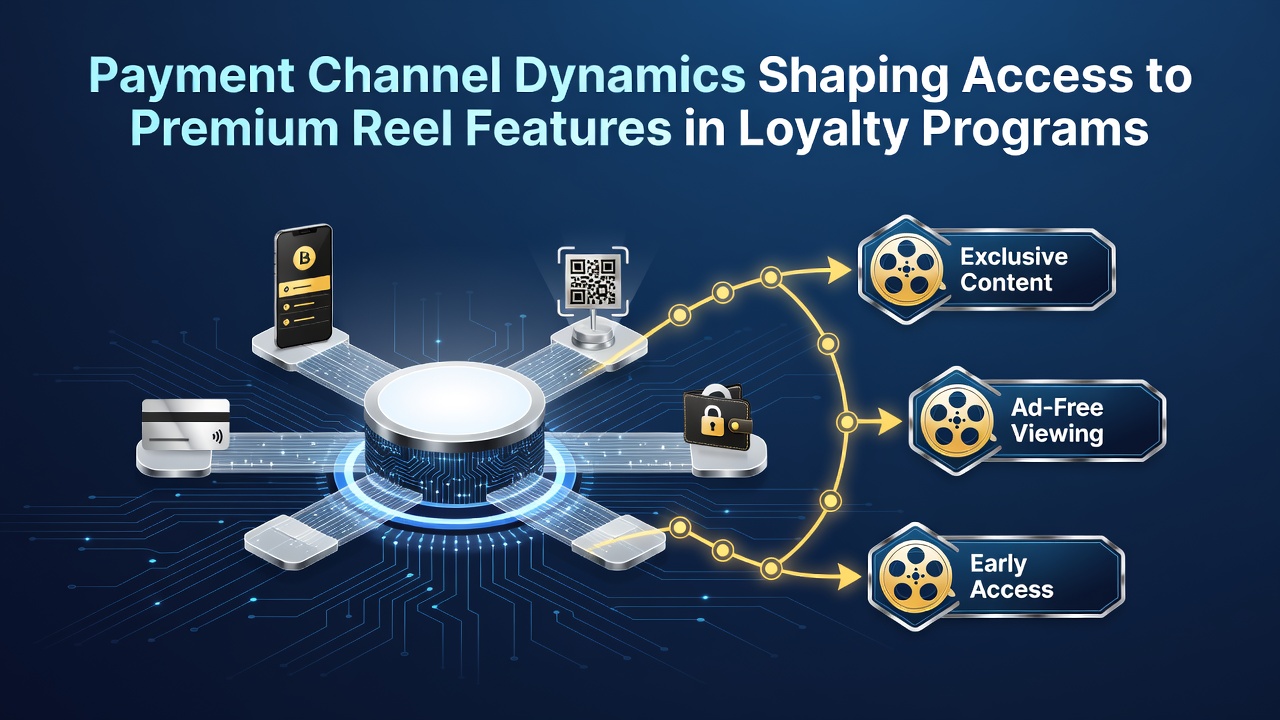
Payment Channel Dynamics Shaping Access to Premium Reel Features in Loyalty Programs
Payment channels determine how quickly players accumulate points and unlock premium reel features within casino loyalty programs, with systems tracking transaction speed, verification methods, and fee structures that influence tier progression. Observers note that digital wallets often accelerate point crediting compared to traditional bank transfers, while credit card payments introduce additional layers of approval that can delay access to advanced slot configurations. Data from industry reports shows these variations create distinct pathways where certain channels grant immediate entry to high-volatility reels reserved for elite tiers.
Core Mechanisms Linking Payments to Loyalty Tiers
Transaction processing times vary across channels, and loyalty platforms integrate these metrics directly into their algorithms for awarding reel upgrades. E-wallet transfers complete in seconds, allowing points to post before the next spin cycle begins, whereas automated clearing house payments may require one to three business days before systems recognize the activity. Researchers at gaming analysis firms have documented cases where players using instant channels reached premium reel thresholds 40 percent faster during monitored sessions in early 2026.
Security protocols attached to each channel further shape eligibility rules. Channels with built-in two-factor authentication receive higher trust scores in loyalty engines, unlocking features such as multiplier reels or exclusive bonus rounds without additional verification steps. In contrast, channels lacking real-time fraud checks trigger manual reviews that postpone feature activation, even when point totals technically qualify.
Regional Patterns Observed in July 2026 Data
July 2026 figures from the American Gaming Association revealed that operators in Nevada adjusted loyalty algorithms to prioritize channels with lower dispute rates, resulting in faster reel access for players using established digital payment services. Similar adjustments appeared in Australian markets where state regulators required clearer disclosure of how payment speed affects loyalty progression. Those reports indicated a measurable shift toward channels that support same-day point posting, expanding the pool of players who could test premium reel volatility settings.
Channel-Specific Impacts on Reel Customization
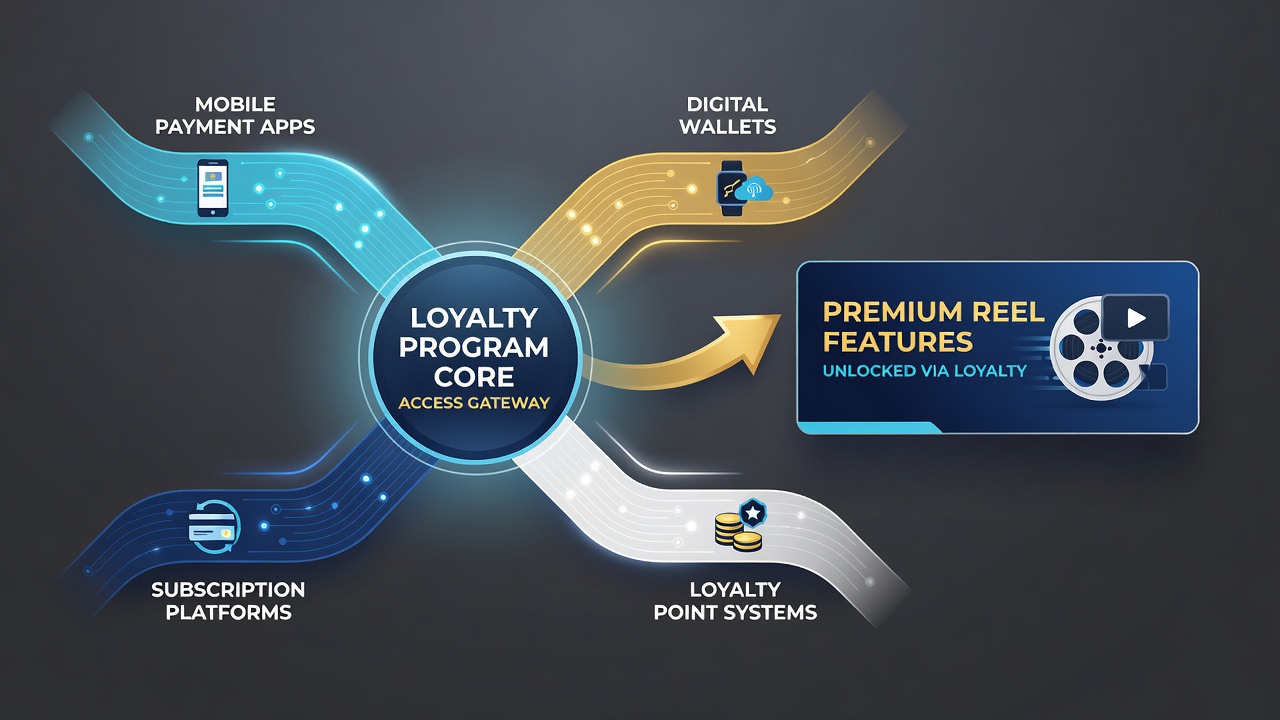
Prepaid card users frequently encounter spending caps that limit the volume of qualifying transactions within a single loyalty cycle, restricting their ability to experiment with premium reel settings that demand higher wager thresholds. Cryptocurrency channels, when integrated through licensed processors, bypass many of these caps and deliver points instantly, yet they require operators to maintain separate compliance logs that sometimes slow initial tier advancement. Observers tracking these patterns found that hybrid programs combining multiple channels allow players to route smaller deposits through faster methods while reserving larger amounts for verified bank options that carry extra loyalty multipliers.
Fee structures embedded in payment channels also influence net point earnings. Channels that deduct processing costs before funds reach the gaming account reduce the effective deposit amount used for tier calculations, whereas fee-free options preserve the full value toward premium reel unlocks. Studies conducted by independent research groups have quantified average point losses of 2 to 5 percent when players consistently select higher-fee channels over extended periods.
Integration Challenges for Operators
Operators must maintain compatibility between payment gateways and loyalty databases to ensure accurate real-time updates to reel access privileges. Legacy systems often require batch processing that creates temporary gaps between deposit confirmation and feature availability, prompting some platforms to adopt middleware solutions that synchronize data across channels within minutes. Those who've examined platform updates note that such integrations reduce player drop-off rates when premium reel features become accessible immediately after qualifying transactions.
Regulatory requirements in multiple jurisdictions add another dimension, mandating that operators document how payment channel selection affects loyalty outcomes. Compliance teams now track channel-specific data points to demonstrate that no single method receives undue advantage in reaching advanced reel tiers, a process that has grown more rigorous following policy updates issued in mid-2026.
Conclusion
Payment channel dynamics continue to define the speed and scope of access to premium reel features across loyalty programs, with processing times, security layers, and fee impacts creating measurable differences in player progression. Data collected through 2026 demonstrates that operators who align channel capabilities with loyalty algorithms achieve more consistent tier advancement rates, while players benefit from selecting methods that minimize delays in point recognition and feature activation. Future platform developments will likely refine these connections further as transaction technologies evolve alongside regulatory expectations.