Navigating Verification Protocols and Their Impact on Tiered Access Within Wireless Entertainment Platforms for Dedicated Participants
Written by Freya Hansen · Jun 12, 2026
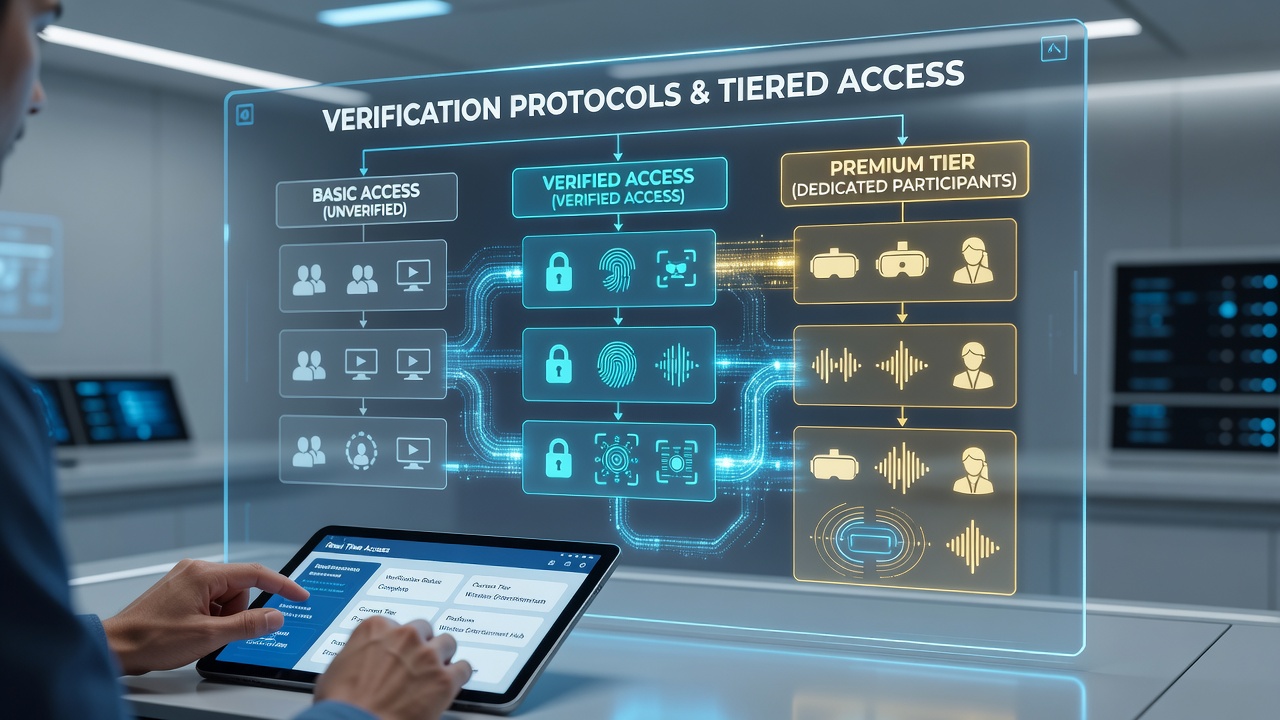
Navigating Verification Protocols and Their Impact on Tiered Access Within Wireless Entertainment Platforms for Dedicated Participants
Verification protocols serve as foundational mechanisms in wireless entertainment platforms, where users engage through mobile applications for gaming, streaming, and interactive content. These systems require participants to submit identification documents, biometric data, and address confirmations before unlocking progressive access levels, and data from regulatory filings shows that platforms implement these steps to comply with regional standards set by bodies such as the New Jersey Division of Gaming Enforcement.
Platforms categorize users into tiers based on activity duration, spending patterns, and engagement frequency, yet verification acts as the gatekeeper that determines when individuals advance from basic entry to premium features. Researchers at academic institutions tracking mobile platform usage note that delays in protocol completion often extend the time needed to reach higher tiers by several weeks, particularly for dedicated participants who log consistent hours across multiple sessions.
Core Components of Verification Protocols
Standard verification processes combine automated checks with manual reviews, where algorithms scan submitted materials against public databases while human operators handle edge cases involving mismatched information. Wireless platforms integrate these protocols early in the user journey, and figures from industry reports indicate that completion rates hover around 75 percent within the first 48 hours when prompts include clear instructions and mobile-optimized forms.
Dedicated participants frequently encounter layered requirements that escalate with tier progression, including periodic re-verification triggered by large transaction volumes or account inactivity. Those who've studied these systems observe that protocols adapt dynamically, pulling location data from device GPS alongside traditional document uploads to confirm residency and prevent unauthorized access across borders.
Tiered Access Structures and Their Dependencies
Tier systems reward sustained involvement through benefits such as exclusive events, reduced fees, and customized interfaces, but access hinges directly on verified status. Data shows that unverified accounts remain locked at entry levels regardless of accumulated activity metrics, which creates bottlenecks for users who join during promotional periods and expect immediate advancement.
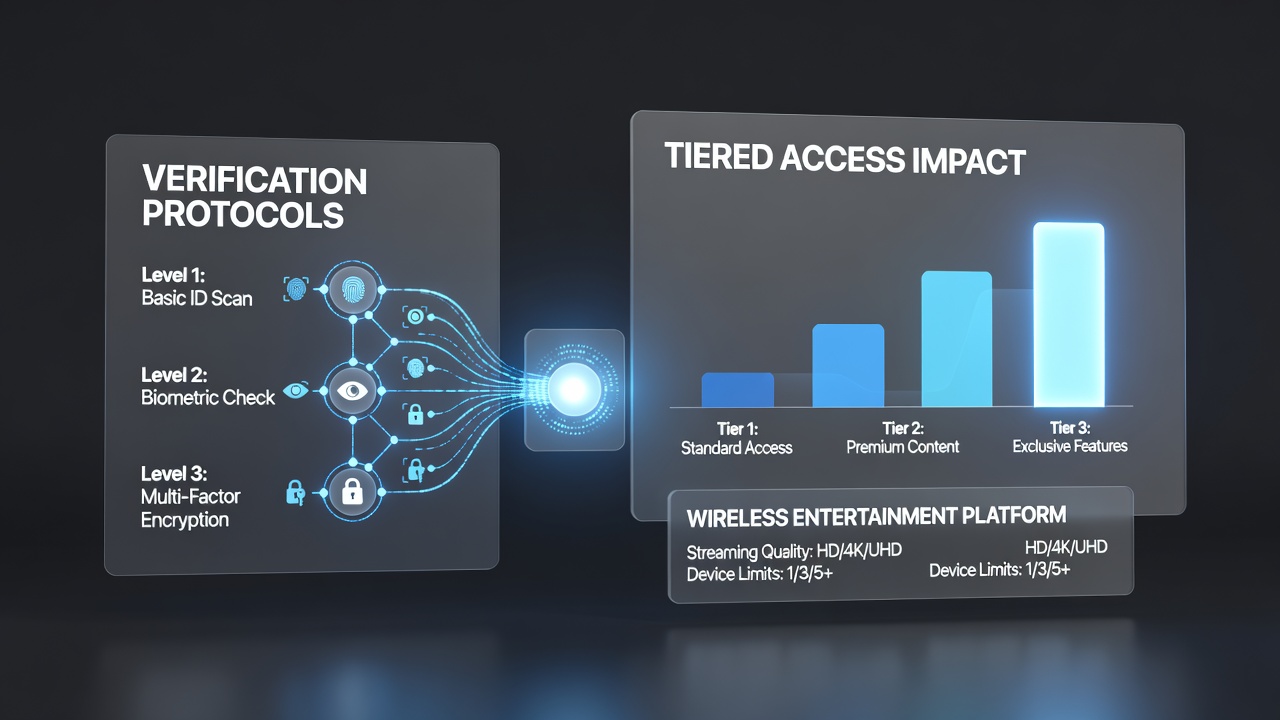
Wireless entertainment environments rely on real-time data synchronization between verification servers and loyalty engines, and this integration ensures that once protocols clear, tier benefits activate within minutes rather than days. Observers note that platforms in regions governed by the Casino Regulatory Authority of Singapore have refined these connections to minimize friction for high-engagement users who participate across multiple device types.
Observed Effects on Dedicated Participants
Participants who maintain regular engagement report that successful navigation through verification stages correlates with faster accumulation of loyalty points and entry into invitation-only sessions. Studies tracking user behavior across several platforms reveal that individuals completing verification on first attempt reach mid-tier status 40 percent sooner than those requiring multiple submissions due to document discrepancies.
Geographic variations influence protocol strictness, with some markets mandating additional financial source declarations for top-tier eligibility. This approach stems from directives issued by agencies like the Australian Communications and Media Authority, which emphasize consumer protection alongside platform security in wireless delivery models.
Yet the reality is that technical glitches during biometric scans or network interruptions can stall progress, forcing dedicated users to restart portions of the process. Platforms have responded by introducing fallback options such as video verification calls, and these adjustments have improved completion rates according to aggregated analytics shared in trade publications.
Developments Anticipated Around June 2026
Industry projections point to enhanced protocol automation by June 2026, when artificial intelligence tools are expected to handle a larger share of initial screenings across wireless platforms. This shift could reduce average verification times from hours to minutes while maintaining compliance with evolving standards from multiple oversight entities.
Dedicated participants stand to benefit from these updates through streamlined tier transitions, although platforms will likely retain manual oversight for high-value accounts. Research indicates that early adopters of updated systems experience fewer interruptions, allowing consistent activity to translate more directly into tier rewards.
Conclusion
Verification protocols continue to shape how users progress through tiered structures on wireless entertainment platforms, with impacts measured in access speed and benefit availability. As systems evolve, the connection between completed verification and tier advancement remains central to participant experiences across global markets.