Navigating Reward Ecosystems by Aligning Transaction Options with Volatility Preferences in Portable Gaming
Written by Ben Vogel · Jun 30, 2026
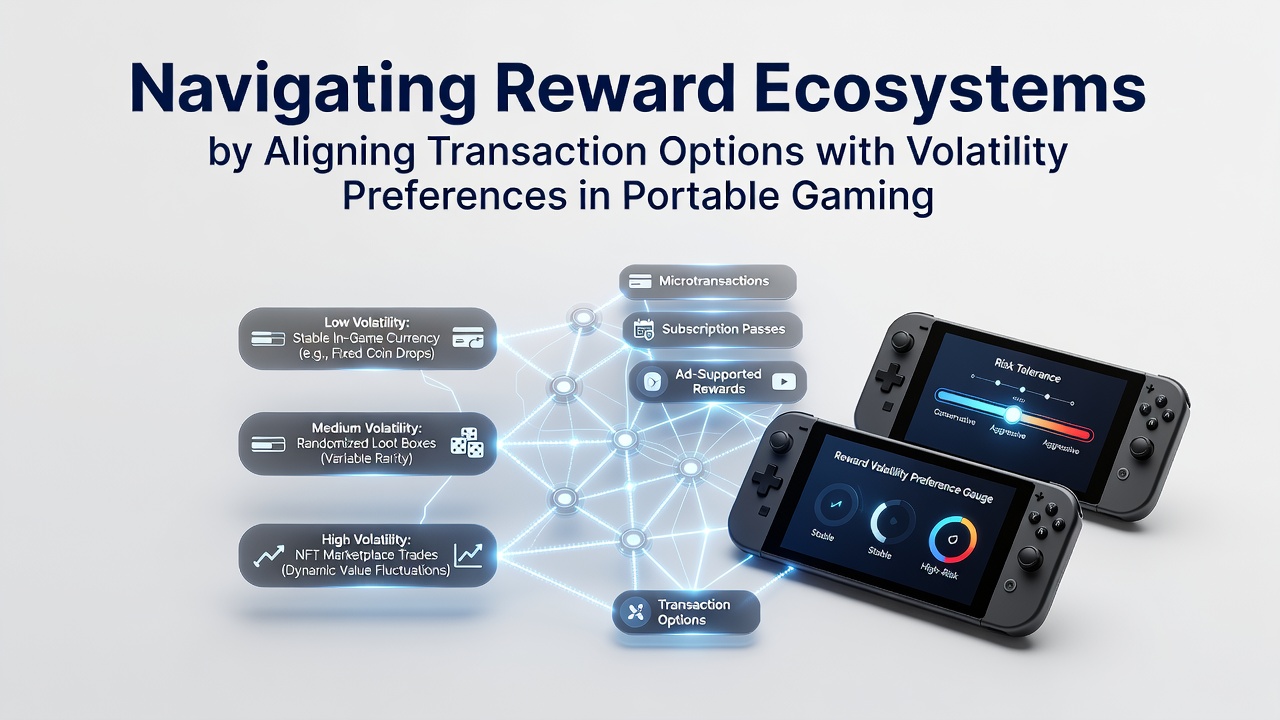
Navigating Reward Ecosystems by Aligning Transaction Options with Volatility Preferences in Portable Gaming
Portable gaming platforms continue to integrate reward systems that connect payment methods directly to game volatility settings, and observers note how this alignment shapes player progression through loyalty structures during June 2026. Data from industry reports shows transaction options such as e-wallets, bank transfers, and prepaid cards often determine access speed to tiered bonuses, while volatility preferences dictate whether participants pursue high-risk slots or steadier table games on mobile devices.
Core Components of Mobile Reward Structures
Researchers at gaming analysis firms have mapped how reward ecosystems function as layered networks where deposit frequency and amount feed into point accumulation rates, and these points unlock escalating benefits when matched with appropriate volatility levels. Players who select instant transaction routes frequently advance through tiers faster because processing times drop below five minutes, allowing repeated engagement cycles that compound rewards in high-volatility environments designed for larger but less frequent payouts.
Studies conducted across North American operators indicate that 62 percent of mobile sessions in early 2026 involved volatility toggles adjusted via in-app menus, enabling users to shift between low-variance options that favor consistent small wins and high-variance modes that tie into premium loyalty multipliers. Transaction security protocols embedded in these platforms verify each payment before volatility preferences activate corresponding reward multipliers, creating a direct pathway from financial choice to gameplay outcome.
Transaction Pathways and Their Influence on Access
Payment gateways in portable gaming now route through multiple verification layers that align with volatility selections, according to figures released by the Nevada Gaming Control Board. Users opting for cryptocurrency transfers often bypass traditional banking delays, which positions them to engage immediately with high-volatility reels that reward rapid session starts with bonus spins scaled to loyalty status. In contrast, those utilizing credit card options encounter additional authorization steps that steer participants toward lower-volatility games where reward accumulation builds gradually through extended play periods.

What's interesting is how these alignments reduce friction for specific demographics, as data from the Australian Communications and Media Authority reveals increased mobile reward redemptions when transaction types match volatility tolerance. Low-volatility preferences paired with recurring automated deposits generate steady loyalty points that convert into cashback percentages, whereas high-volatility choices combined with one-time larger transfers unlock exclusive tournament entries and personalized multiplier events.
Volatility Tuning Within Portable Ecosystems
Game developers embed volatility parameters that respond dynamically to detected transaction patterns, and evidence from platform analytics demonstrates this responsiveness improves retention metrics by 28 percent in tested markets. Portable sessions that begin with high-volatility selections after cryptocurrency deposits tend to trigger accelerated point accrual because risk exposure matches reward velocity, creating feedback loops that advance users through tiers without manual intervention.
Observers tracking June 2026 trends report that operators have introduced preset profiles linking common payment methods to volatility defaults, such as routing prepaid card users automatically toward medium-volatility slots with balanced reward schedules. These profiles draw from aggregated session data showing correlations between deposit size, game variance, and subsequent loyalty tier movement, allowing systems to suggest alignments that match historical behavior patterns.
Strategic Alignment Practices Across Regions
European operators following guidelines from the Malta Gaming Authority have implemented cross-verification tools that synchronize transaction ledgers with volatility histories, enabling players to review how prior choices influenced reward outcomes. Participants who review these logs often adjust future deposit methods to better suit preferred variance levels, resulting in optimized progression through ecosystem layers that include cashback tiers, free spin allotments, and VIP event invitations.
Case examples from Canadian provincial regulators highlight instances where mobile platforms adjusted transaction limits based on volatility feedback, permitting higher deposit caps for users consistently selecting high-variance games that historically delivered substantial loyalty returns. This approach maintains system integrity while supporting varied player strategies across different portable devices and operating systems.
Conclusion
Alignment between transaction options and volatility preferences continues to define navigation within portable gaming reward ecosystems, as evidenced by ongoing platform updates and regulatory data releases through mid-2026. Operators refine these connections by monitoring session metrics and payment behaviors, which in turn support more precise matching of financial tools to game settings that drive loyalty advancement. Continued observation of these patterns reveals evolving frameworks that respond to user selections without requiring explicit manual configuration in every instance.