Mapping Interconnections Between Secure Transaction Protocols and Exclusive Access Tiers in Virtual Table Game Communities
Written by Blake Schmid · May 29, 2026
Mapping Interconnections Between Secure Transaction Protocols and Exclusive Access Tiers in Virtual Table Game Communities
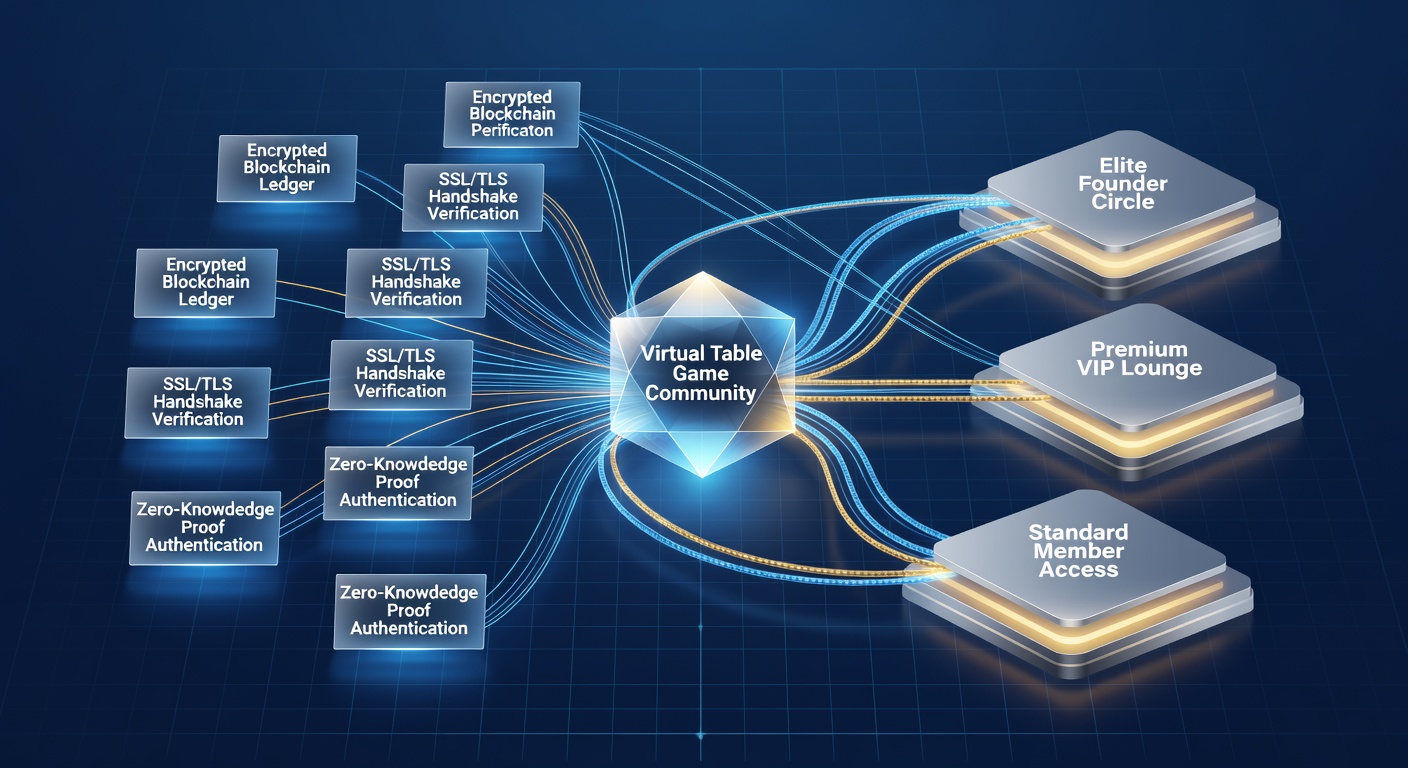
Virtual table game communities operate through interconnected systems where secure transaction protocols directly determine eligibility for exclusive access tiers, and observers note that these connections shape participation patterns across platforms offering poker, blackjack, and baccarat sessions. Researchers have examined how encryption standards and verification layers integrate with membership hierarchies to create structured entry points that filter users based on transaction history and compliance records.
Core Elements of Secure Transaction Protocols in Gaming Platforms
Transaction protocols in these environments rely on tokenization methods alongside multi-factor authentication sequences that process deposits and withdrawals while maintaining data integrity across distributed networks. Data from regulatory filings indicate that platforms implement PCI-DSS compliant gateways which record each transfer with timestamps and verification codes, and these records feed directly into algorithms that assign tier levels. In May 2026 industry updates from oversight agencies showed increased adoption of real-time monitoring tools that cross-reference payment origins with user activity logs to prevent unauthorized escalations.
Those who study platform architectures often find that secure sockets layer certificates combined with blockchain-derived ledgers allow communities to validate high-volume transactions without exposing account details, while such validations trigger automatic reviews for tier advancement. Experts have observed that protocols using end-to-end encryption reduce latency during peak hours yet still maintain audit trails required by licensing authorities in multiple jurisdictions.
How Exclusive Access Tiers Form Through Transaction Verification
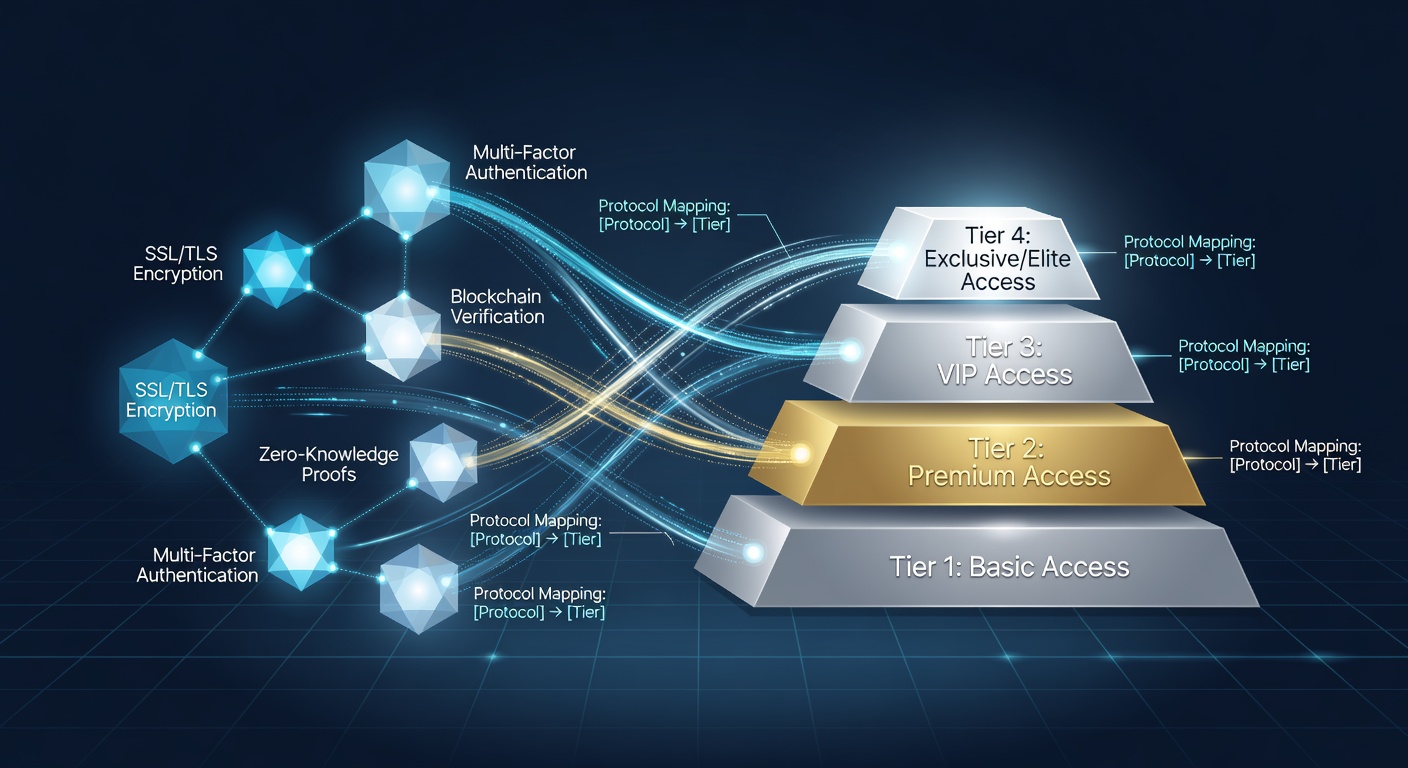
Exclusive tiers emerge when platforms apply cumulative transaction thresholds that unlock private tables, priority seating in live dealer rooms, and customized rule variations for select participants. Figures from platform analytics reveal that users reaching verified deposit milestones within specified windows receive invitations to closed forums where table game variants operate under different rake structures and invitation-only tournaments. These systems connect because each tier elevation requires fresh protocol checks that confirm ongoing compliance with anti-money laundering directives enforced by bodies such as the Nevada Gaming Control Board.
Integration Mechanisms Linking Protocols to Tier Systems
Integration occurs through centralized databases that synchronize payment processor outputs with access control modules, and this synchronization permits seamless elevation when users meet volume criteria without manual intervention. One study released by the University of Nevada, Reno gaming research division documented how API endpoints pull transaction metadata in real time to adjust permission sets, while the same endpoints log every denied attempt to flag potential security concerns. Observers note that such mechanisms create feedback loops where secure protocol performance directly influences tier retention rates across virtual communities.
Regional Regulatory Influences on Protocol-Tier Mapping
Regulatory frameworks in different regions impose varying requirements that affect how protocols map onto tier structures, and authorities in New Jersey's Division of Gaming Enforcement have issued guidelines requiring documented proof of transaction security before any tier benefits activate. Australian oversight through the Australian Communications and Media Authority similarly tracks cross-border payment flows to ensure tiered access does not bypass responsible gaming controls. These regional differences lead platforms to deploy adaptable protocol stacks that adjust verification intensity based on user location and transaction size.
Community administrators often configure tier benefits such as reduced commission rates or dedicated support channels only after protocol checks confirm source-of-funds documentation meets local standards, and this configuration process relies on automated scoring models that weigh transaction frequency against risk indicators. Data released in regulatory summaries show consistent patterns where higher tiers correlate with longer account histories containing multiple verified transfers processed through approved channels.
Technical Challenges in Maintaining Interconnections
Technical challenges arise when protocol updates introduce new encryption requirements that temporarily disrupt tier assignment workflows, yet platform teams resolve these through phased rollouts that test compatibility across legacy and updated systems. Research indicates that latency spikes during verification can delay tier notifications, prompting developers to optimize query routing between payment servers and membership databases. Those monitoring system performance report that successful mappings depend on redundant verification nodes that maintain uptime during high-traffic periods common in major table game events.
Conclusion
The interconnections between secure transaction protocols and exclusive access tiers continue to evolve as platforms refine verification sequences and regulatory bodies update compliance expectations, and these refinements shape participation opportunities within virtual table game communities. Ongoing documentation from industry and academic sources provides the factual basis for understanding how payment security directly governs tier eligibility across global operations.