How Digital Wallets Sync with Algorithmic Adjustments to Unlock Tiered Access in Portable Slot Environments
Written by Freya Hansen · Jul 26, 2026
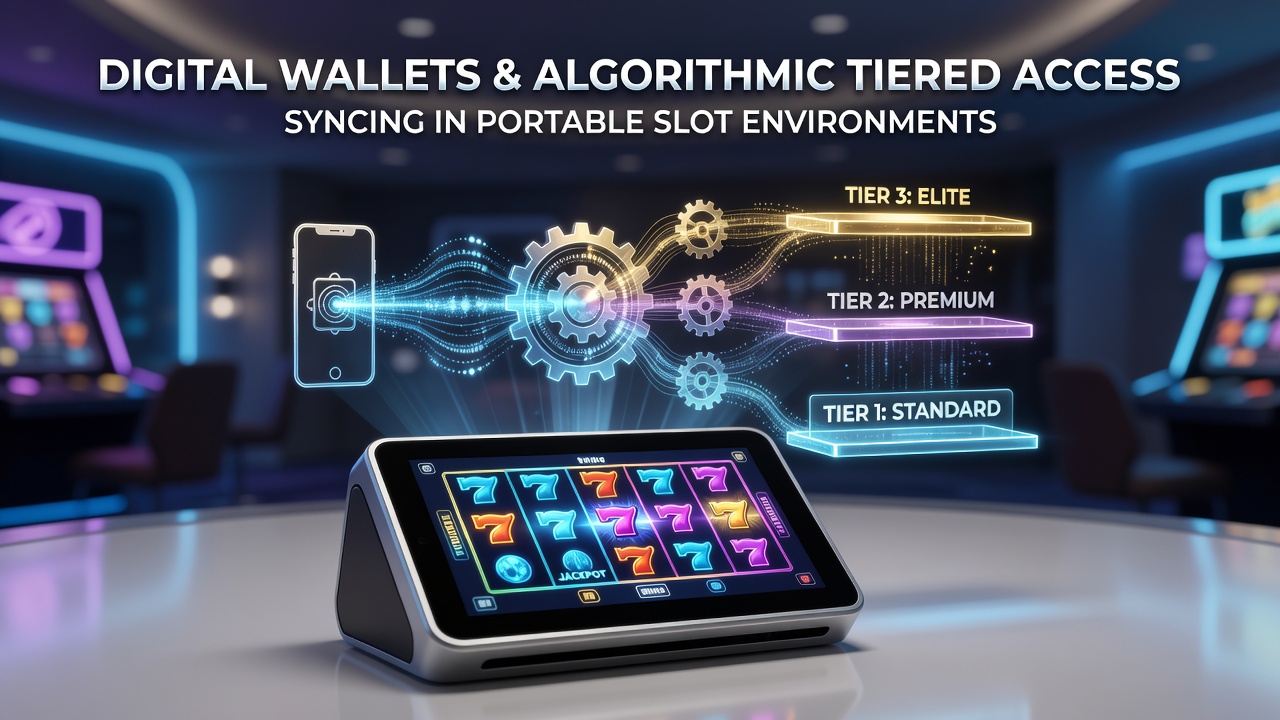
How Digital Wallets Sync with Algorithmic Adjustments to Unlock Tiered Access in Portable Slot Environments
Digital wallets now connect directly with casino platforms through secure APIs, and these connections allow algorithmic systems to monitor transaction patterns while determining eligibility for different access levels in mobile slot games. The process begins when a user links a wallet such as Apple Pay or a specialized gaming account to the application, after which the software records deposit frequency, session duration, and spending velocity to calculate tier progression in real time.
Core Mechanisms Behind Wallet Integration
Portable slot environments rely on encrypted data streams that transmit wallet activity to central servers, and these servers run machine learning models trained on historical player data to adjust parameters like bonus frequency or feature unlocks. Research indicates that synchronization occurs within milliseconds of each transaction, which means tier status can shift mid-session when spending crosses predefined thresholds set by the operator. Observers note that this setup reduces manual verification steps while maintaining compliance records required by state regulators.
Take one operator in New Jersey that deployed such a system in early 2026, where wallet-linked accounts automatically advanced from basic to intermediate tiers once cumulative deposits reached a set volume, and the algorithm simultaneously recalibrated reel volatility settings to match the new tier. Data from the New Jersey Division of Gaming Enforcement shows that mobile slot participation grew steadily through the first half of the year, with wallet-enabled sessions accounting for a rising share of total handle.
Algorithmic Adjustments and Tier Progression
Algorithms evaluate multiple variables including wallet balance stability, withdrawal patterns, and login consistency before granting higher tiers, and these evaluations happen continuously rather than at fixed intervals. Higher tiers often unlock faster loading times for certain games, priority access to progressive jackpots, and customized reel configurations that the system generates based on prior play history. Because the adjustments occur server-side, players experience them instantly when they open the app on any device.
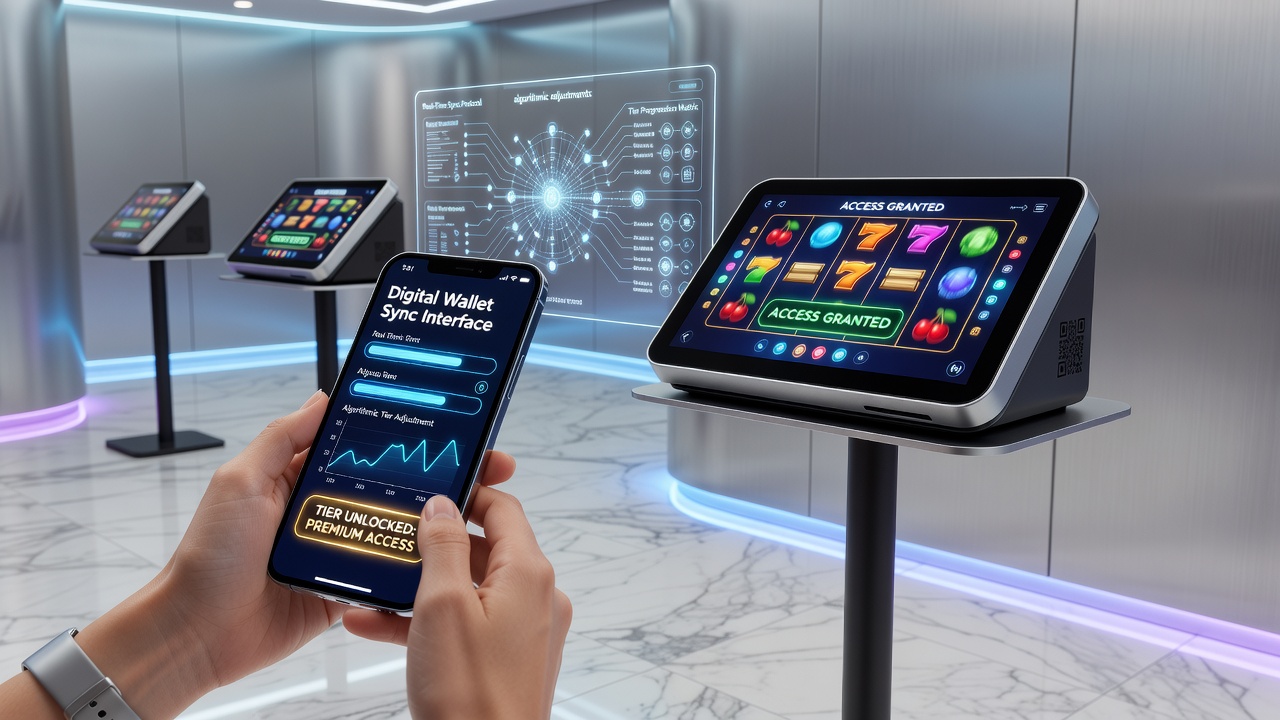
By July 2026, several major platforms had expanded these features to include cross-device continuity, which allows a player to begin a session on a tablet and continue on a phone without losing tier benefits or current algorithmic settings. The synchronization relies on token-based authentication that keeps wallet details private while still feeding the necessary metadata to the adjustment engine. Industry reports highlight that this approach supports regulatory audits because every change to tier status leaves a timestamped log tied to the original wallet transaction.
Security Protocols and Data Flow
Secure tokenization protects wallet credentials during transfer, and multi-factor authentication layers add further checks before any algorithmic change takes effect. When a player qualifies for a new tier, the system pushes a notification through the wallet app itself, confirming the updated status and listing the newly available features in the slot environment. This closed-loop communication reduces friction while preserving the audit trail that gaming authorities require.
Studies from the University of Nevada, Reno’s International Gaming Institute reveal that operators using integrated wallet-algorithm systems recorded lower dispute rates related to bonus eligibility in the first quarter of 2026 compared with earlier non-integrated models. The reduction stems from transparent, data-driven decisions that both the platform and the player can review through account dashboards.
Regional Implementation Trends
Platforms operating in multiple jurisdictions adapt the same core synchronization logic to meet local rules, and this flexibility has allowed rapid rollout across North American and European markets during 2026. In regions with strict responsible gaming requirements, the algorithms incorporate session time limits and spending caps that automatically adjust when a player approaches a tier threshold, preventing unintended escalation. Observers note that these safeguards integrate directly into the wallet sync process rather than functioning as separate modules.
Developers continue to refine the models by feeding anonymized aggregate data back into training sets, which improves prediction accuracy for tier advancement without exposing individual player details. The result is a more responsive environment where portable slot access evolves alongside actual wallet behavior instead of relying on static loyalty points alone.
Conclusion
The interplay between digital wallets and algorithmic tier systems has produced a streamlined pathway for access management in mobile slot environments, and ongoing refinements in July 2026 continue to emphasize speed, security, and regulatory alignment. As more operators adopt these synchronized frameworks, the underlying data flows and adjustment protocols are likely to become standard components of portable gaming infrastructure.