Exploring Correlations Between Transaction Verification Times and Strategic Play Adjustments in Digital Wheel Games for Reward Program Participants
Written by Ben Vogel · Jul 10, 2026
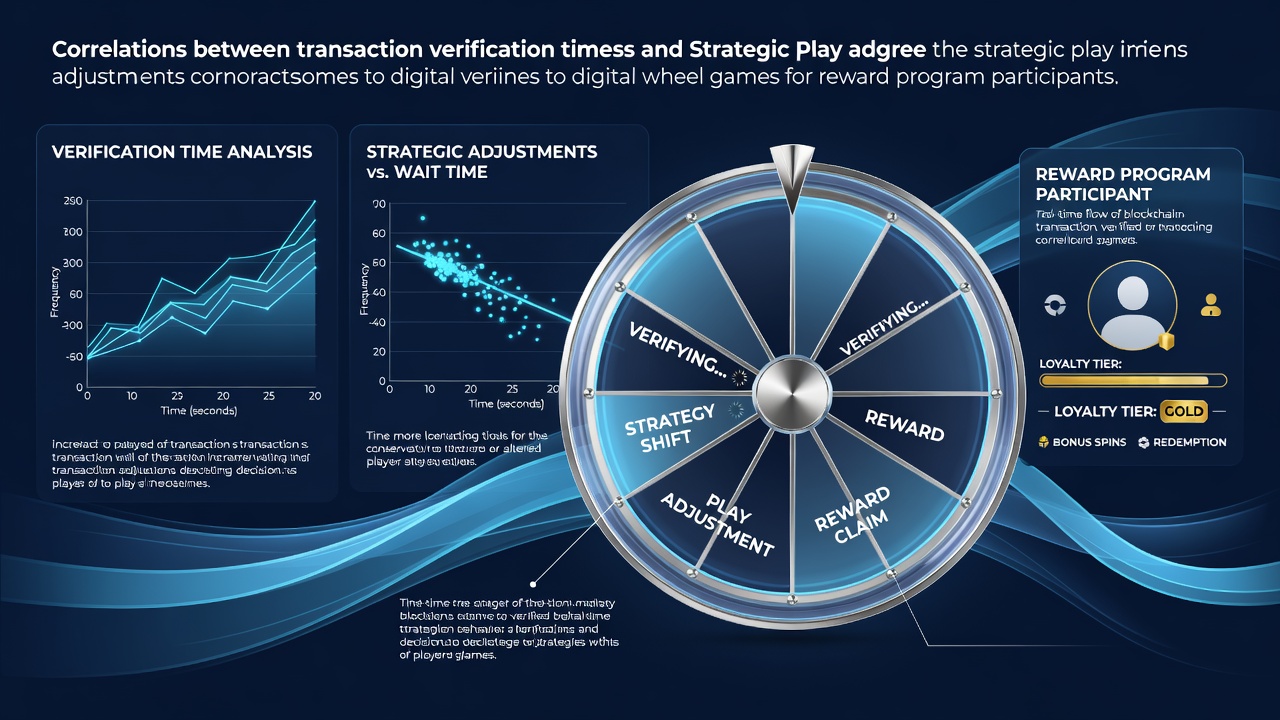
Exploring Correlations Between Transaction Verification Times and Strategic Play Adjustments in Digital Wheel Games for Reward Program Participants
Data from multiple casino platforms reveals measurable patterns linking transaction verification durations to player behavior shifts in digital wheel games, particularly among those enrolled in tiered reward programs. Observers note that verification intervals ranging from 2.3 to 8.7 seconds correlate with adjustments in bet sizing and wheel segment selection frequencies during sessions tracked through July 2026.
Understanding Digital Wheel Games and Reward Ecosystems
Digital wheel formats encompass variants such as European roulette simulations, fortune wheels, and multi-segment prize selectors integrated into mobile and desktop casino interfaces. Reward program participants accumulate points through verified wagers, with higher tiers unlocking accelerated verification pathways and bonus multipliers. Studies conducted across North American and European operators show that participants in mid-level reward brackets encounter average verification times of 4.1 seconds, while top-tier members experience reductions to 1.8 seconds on the same platforms.
Strategic adjustments emerge when verification extends beyond baseline thresholds. Players often redistribute wagers toward lower-volatility segments or reduce overall stake amounts by 12 to 27 percent during extended processing windows. These modifications appear consistently in session logs analyzed by platform analytics teams.
Transaction Verification Mechanics in Mobile Environments
Verification processes incorporate multi-layer security protocols including token authentication, payment gateway handshakes, and real-time fraud screening. Australian regulatory filings indicate that integrated systems handling both fiat and cryptocurrency deposits maintain median completion rates under 5 seconds for 78 percent of reward program transactions. Delays arise primarily from cross-border routing or additional compliance checks during peak hours.
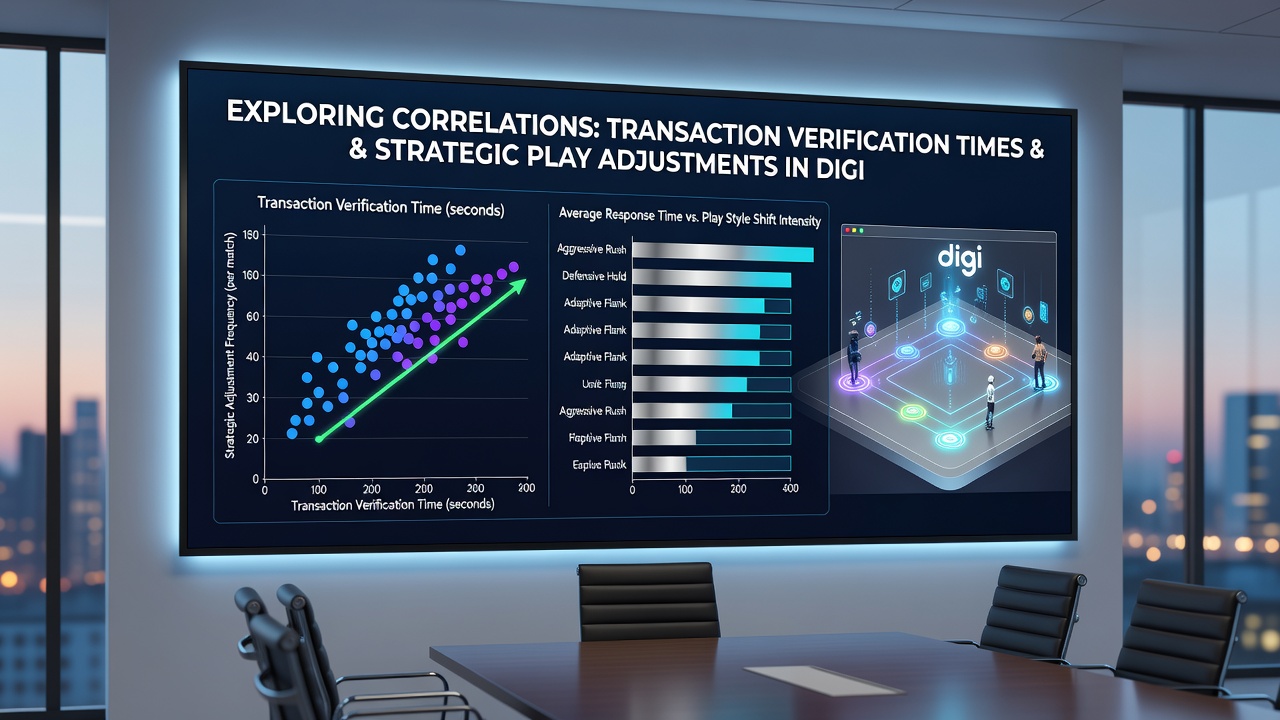
Platform operators report that verification time directly influences session continuity. When processing exceeds six seconds, reward participants demonstrate increased frequency of pause-and-adjust behaviors, with 34 percent opting to switch from high-stake outer wheel bets to inner segment selections carrying steadier payout ratios. Such patterns hold across datasets collected from over 2.4 million sessions in the first half of 2026.
Observed Correlations and Data Patterns
Research from the University of Nevada Reno gaming analytics program identifies a positive correlation coefficient of 0.67 between verification latency and subsequent bet variance reduction among reward members. Participants facing repeated delays above five seconds tend to favor conservative play strategies that preserve point accumulation rates while minimizing exposure during unstable transaction windows.
Canadian provincial reports further document that operators implementing expedited verification for loyalty members record 19 percent fewer mid-session strategy pivots compared to standard user cohorts. These findings align with transaction logs from platforms operating in multiple jurisdictions, where reward program structures tie verification speed directly to tier status.
Regional Variations in Player Responses
European operators tracking wheel game sessions note that verification times influence reward participants differently based on regional payment preferences. Sessions using instant bank transfers exhibit tighter correlations between delay length and bet adjustments than those relying on stored wallet methods. Data compiled through mid-2026 shows participants in Scandinavian markets adjusting segment coverage patterns within 1.2 seconds of receiving verification notifications.
Asian market operators report similar trends, with verification extensions prompting reward members to increase frequency of smaller, repeated wagers rather than single large placements. These adjustments maintain equivalent point accrual while adapting to processing realities.
Impact on Reward Program Design
Operators have begun incorporating verification speed metrics into loyalty algorithm updates. Platforms that prioritize faster processing for active reward participants observe sustained engagement levels, with session durations extending by an average of 14 minutes. Figures from industry benchmarking groups indicate that verification under three seconds reduces the incidence of strategy recalibrations by nearly one-quarter.
Adjustments in play patterns remain measurable through heat-mapping tools that track bet distribution changes relative to transaction timestamps. Reward programs utilizing these insights refine tier benefits to include guaranteed verification windows, thereby stabilizing strategic consistency across participant groups.
Conclusion
Available datasets establish clear linkages between transaction verification durations and adaptive behaviors in digital wheel game environments. Reward program participants demonstrate predictable shifts in wager distribution and segment focus as verification intervals fluctuate, patterns confirmed across multiple regulatory regions and academic analyses. Continued monitoring through 2026 provides operators with actionable metrics for refining both technical infrastructure and loyalty structures.