Charting Roulette Tactics Through Payment Pathways in Mobile Casino Reward Ecosystems
Written by Sage Ludwig · Jun 2, 2026
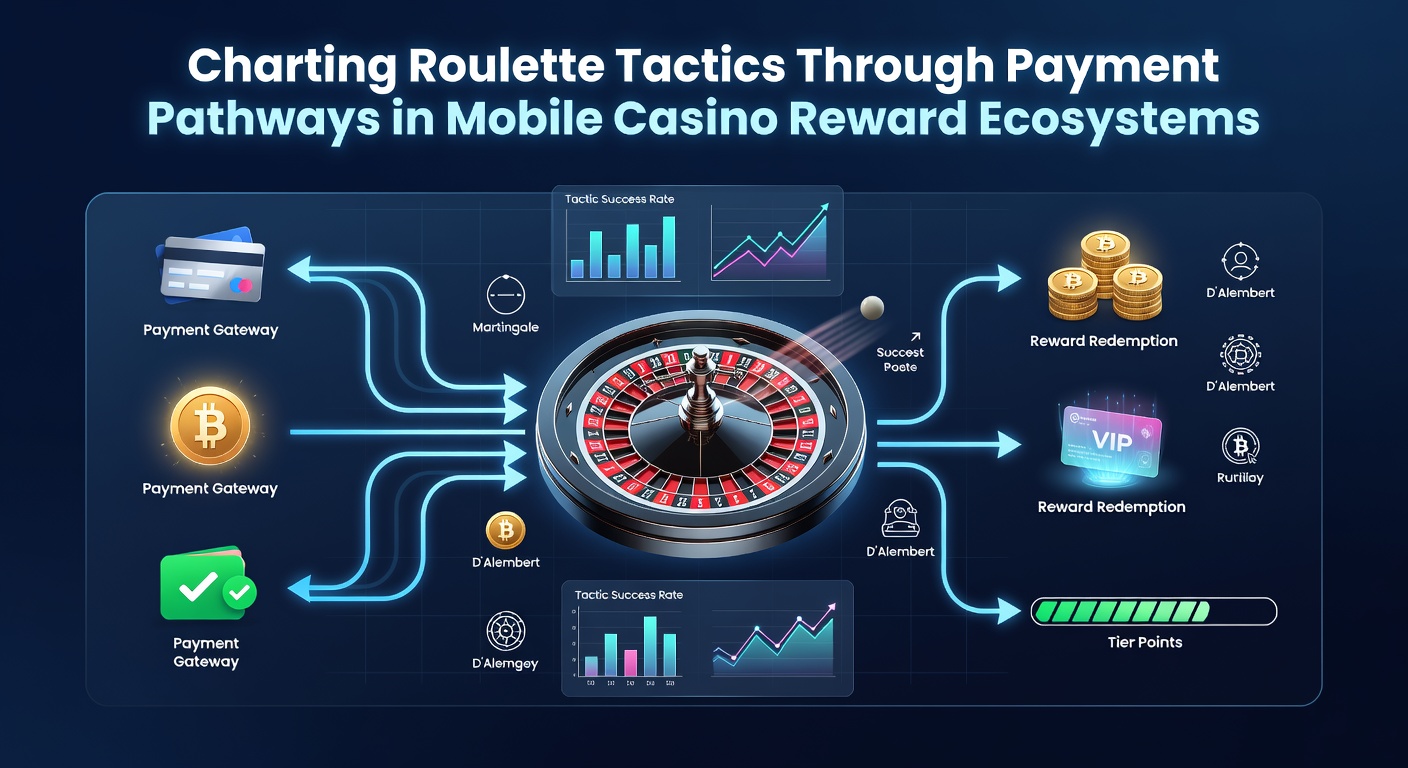
Charting Roulette Tactics Through Payment Pathways in Mobile Casino Reward Ecosystems
Payment pathways in mobile casino environments connect directly to reward structures that shape how players approach roulette, and data from industry reports shows these connections influence deposit patterns as well as bonus eligibility across different transaction types. Observers note that e-wallet transfers often trigger instant reward credits that align with short-session roulette strategies, whereas credit card routes may route through verification steps that delay access to layered bonus pools until later in the month. Research from the Canadian Gaming Association indicates mobile roulette activity rose steadily through early 2026, with payment method choices correlating to specific loyalty tier advancements in multiple operator ecosystems.
Payment Routes and Roulette Bankroll Adjustments
Players frequently map their roulette betting sequences to the timing and fee structures of available payment options, since certain pathways unlock accelerated reward points that extend play sessions without additional deposits. Data shows bank transfers, though slower, sometimes feed into cumulative reward systems that grant access to higher table limits once monthly thresholds are met, and this pattern holds across several North American and European platforms tracked in 2026. Those who've examined transaction logs find that cryptocurrency deposits bypass some verification delays, allowing quicker entry into progressive reward ladders where roulette wager multipliers apply directly to bonus balances.
Tracking Reward Tiers Through Transaction Histories
Transaction histories serve as the primary record for reward tier progression, and analysts at the Nevada Gaming Control Board report that mobile roulette sessions funded through digital wallets demonstrate higher repeat deposit rates once initial bonuses convert to playable credits. This occurs because wallet pathways often integrate real-time tracking that credits loyalty points immediately after each spin sequence completes, whereas traditional card routes require batch processing that can lag by several hours. Observers note the resulting difference affects how users allocate their bankrolls, with some reserving larger wagers for wallet-funded rounds that already carry multiplier benefits from prior activity.
Studies released in June 2026 by the Australian Institute of Gambling Research further detail how payment pathway selection correlates with session length in roulette-focused mobile apps, revealing that instant funding methods support more consistent application of progressive betting systems like Martingale variants when reward caps reset daily. Figures indicate users who alternate between multiple pathways maintain steadier point accumulation rates, avoiding the cooldown periods that sometimes apply after single-method deposits exceed certain volumes.
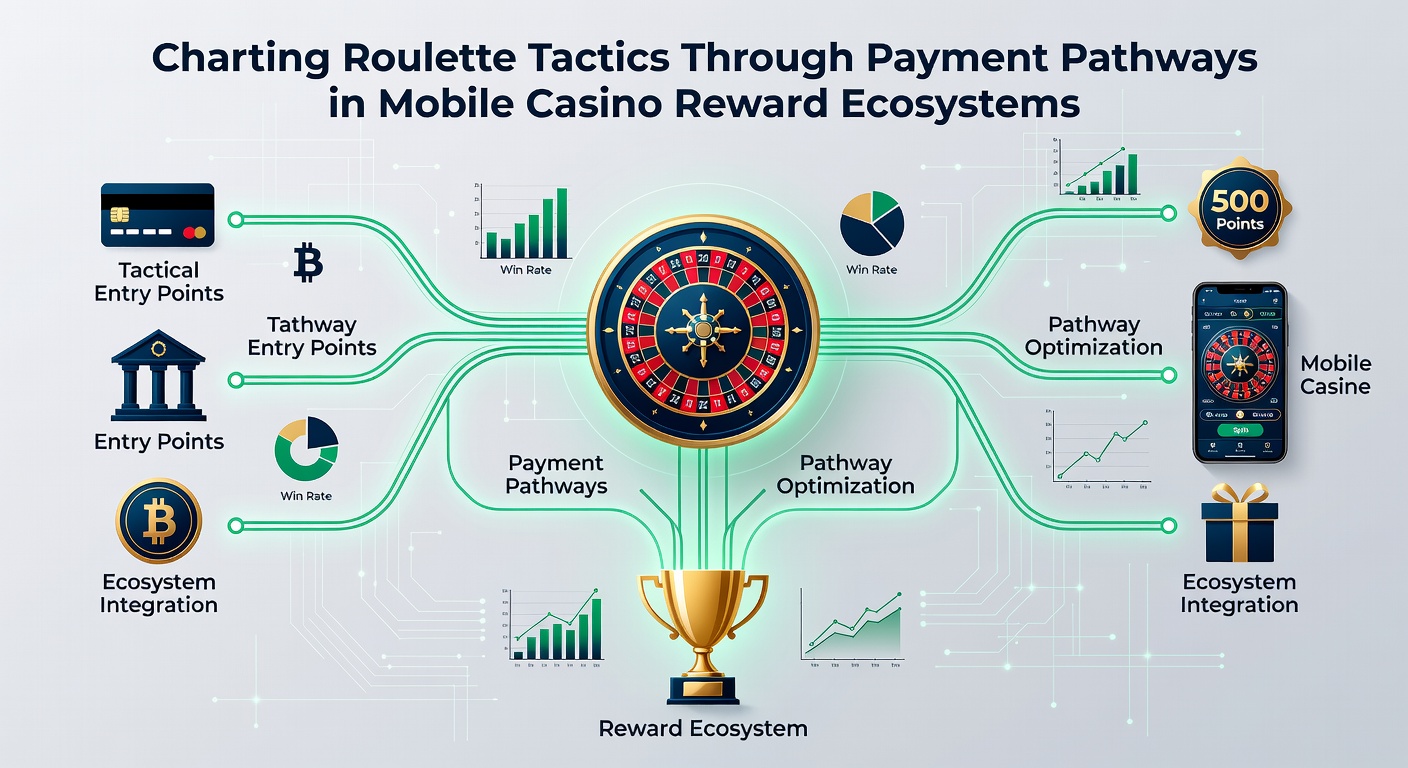
Integration Patterns Across Mobile Reward Ecosystems
Mobile platforms link payment confirmations to layered reward mechanisms that adjust roulette payout structures indirectly through bonus wagering requirements, and evidence from the European Gaming and Betting Association shows these links vary by region due to differing regulatory timelines for fund clearance. In practice, users who route deposits through prepaid card systems encounter distinct tier advancement speeds compared with those using direct bank integrations, since the former often pair with promotional codes that stack onto existing loyalty multipliers. Researchers discovered these stacking effects become most visible during promotional windows when roulette tables offer temporary point boosts tied to payment volume.
What's interesting is the way cumulative transaction data feeds algorithmic adjustments that personalize available roulette variants for each reward tier, allowing higher-level users faster access to European or French wheel formats with their built-in house edge reductions. According to transaction analytics compiled through mid-2026, pathways involving recurring scheduled payments maintain steadier reward momentum than one-off deposits, reducing the frequency of bonus resets that interrupt ongoing betting progressions.
Regional Variations in Pathway Effectiveness
Geographic differences appear in how payment pathways interact with mobile roulette rewards, since regulatory frameworks in various jurisdictions impose distinct verification and fee structures that alter the speed of reward credit application. Data collected across Canadian and Australian markets indicates that local banking integrations produce quicker tier climbs for roulette players who maintain consistent weekly deposit patterns, while cross-border e-wallet options sometimes introduce additional conversion steps that delay bonus activation. Those monitoring platform updates note operators continue refining these connections to align with seasonal activity spikes observed around major sporting events.
Conclusion
Payment pathways continue to serve as the structural backbone for reward ecosystems that guide roulette tactics in mobile settings, with transaction records providing the measurable link between deposit behavior and bonus accessibility. Evidence accumulated through 2026 demonstrates consistent patterns across multiple operators, where choice of funding method directly shapes the timing and scale of reward benefits available during play. As platforms evolve their integration protocols, the documented relationships between payments and roulette strategies remain central to understanding how mobile users navigate these systems.