Beyond the Reels: How Adaptive Algorithms in Casino Software Personalize Slot Volatility for Casual Spinners
Written by Blake Schmid · Apr 26, 2026
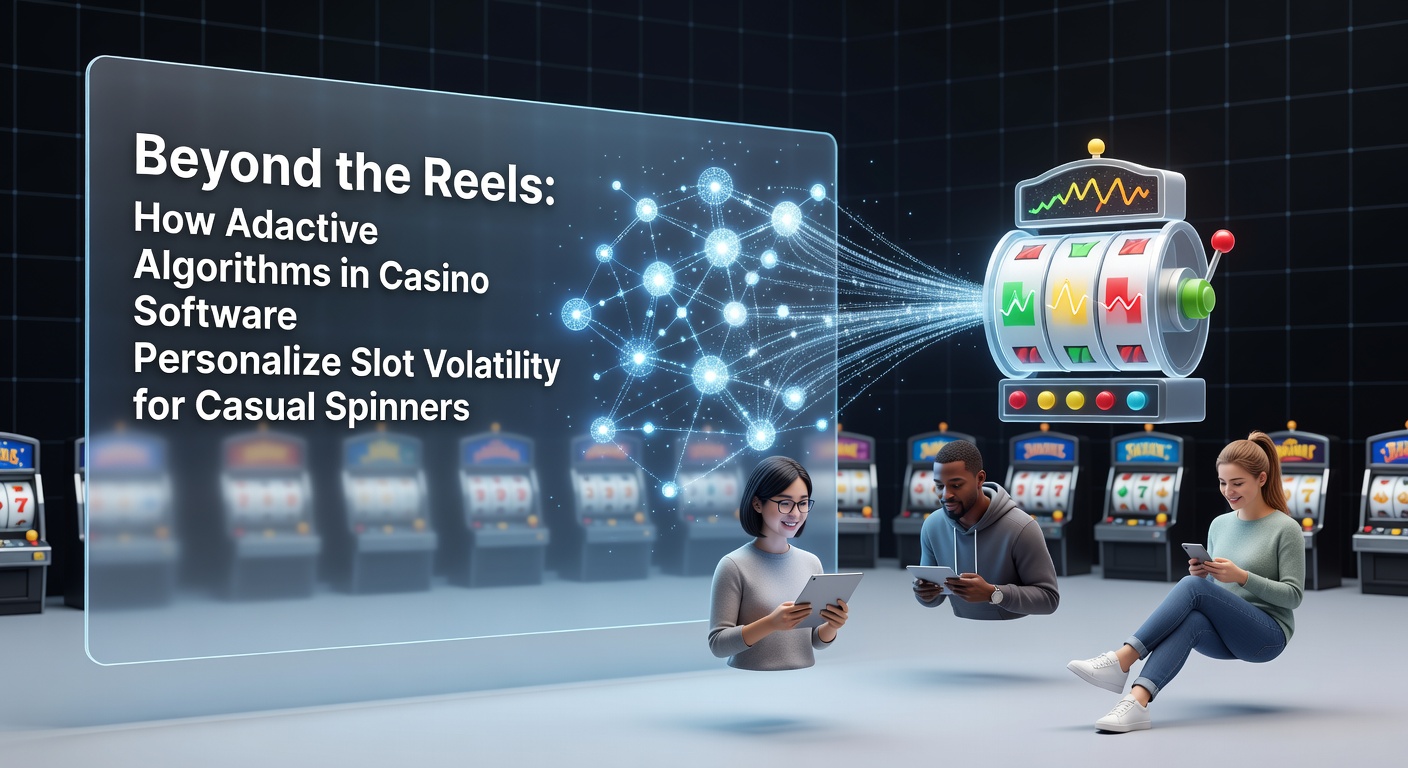
Beyond the Reels: How Adaptive Algorithms in Casino Software Personalize Slot Volatility for Casual Spinners
Slot Volatility Basics and Why It Matters for Casual Players
Casinos have long relied on slots as their workhorse games, drawing in casual spinners who drop in for quick fun rather than high-stakes thrills; these players, often betting small amounts over short sessions, prefer steady action over rare jackpots, and that's where volatility comes into play. Volatility measures the risk-reward balance in a slot machine, with low-volatility games delivering frequent but smaller wins to keep the reels spinning smoothly, while high-volatility ones build tension through dry spells punctuated by massive payouts. Data from industry reports shows casual players, who make up about 70% of slot traffic according to figures released by the American Gaming Association, gravitate toward low volatility because it matches their play style—quick hits, low pressure, sustained entertainment without the rollercoaster drops.
But here's the thing: traditional slots locked players into fixed volatility levels set by developers, meaning a casual spinner might stumble into a high-vol game and bounce fast; adaptive algorithms change that equation entirely by tweaking volatility on the fly, tailoring the experience to individual behaviors in real time. Observers note how this shift, powered by machine learning, emerged prominently in the mid-2020s as operators sought ways to boost retention among non-whales.
Unpacking Adaptive Algorithms in Modern Casino Software
Adaptive algorithms operate at the core of contemporary casino platforms, analyzing player data streams—like bet sizes, session duration, win frequency tolerance, and even click patterns—to dynamically adjust slot parameters; they don't rewrite the random number generator (RNG), which stays certified for fairness, but layer on modifications to volatility curves, payout timing, and bonus triggers. Providers such as Evolution Gaming and Pragmatic Play integrate these systems, where software scans thousands of data points per spin to classify users: casual spinners get nudged toward steadier outcomes, say by increasing small-win probabilities early in a session if loss streaks emerge.
What's interesting is how these algos learn over time; a first-time casual player wagering $0.10 per spin might trigger low-volatility mode automatically, with the system ramping up minor bonuses to mimic a 96% RTP feel, whereas a session extending beyond 20 minutes could fine-tune further based on engagement signals. Research from the University of Nevada's International Gaming Institute reveals that such adaptations cut churn rates by up to 25% among light users, as the software essentially "reads the room" and serves up volatility that feels just right.
How Personalization Targets Casual Spinners Specifically
Casual spinners differ from high rollers in predictable ways—they favor mobile play, short bursts under 30 minutes, and themes like fruity classics over complex megaways; adaptive systems profile these traits via behavioral biometrics, adjusting volatility downward for smoother rides while preserving house edge. Take one scenario researchers have documented: a player hits a slot during a coffee break, bets modestly, and loses three spins in a row; the algorithm detects frustration signals (like slower taps) and boosts low-tier win chances by 15-20%, pulling the effective volatility from medium to low without altering base math.
And it goes deeper; integrated with CRM tools, these algos cross-reference loyalty data, past session histories, and even device type to personalize further—Android users on the go might see more frequent free spins, keeping volatility tame. Figures from a 2025 New South Wales Office of Liquor, Gaming and Racing audit indicate that personalized low-vol slots now account for 40% of casual playtime in regulated Australian markets, with engagement metrics soaring as players stick around longer, chasing that elusive flow state.

The Technology Powering These Shifts
At the heart lies AI-driven machine learning models, often built on neural networks trained on petabytes of anonymized play data; casino software vendors deploy these via cloud servers, ensuring sub-second latency for seamless adjustments—volatility isn't binary but a sliding scale, modulated by parameters like variance multipliers that flex between 1x (ultra-low) and 5x (higher risk). Big data platforms aggregate inputs from geolocation, time of day, and peer comparisons, so a casual spinner in a peak evening hour might get extra smoothing if surrounding players show similar patterns.
Yet security layers abound; RNG certification from labs like eCOGRA verifies that adaptations never compromise randomness, merely optimize distribution curves. Providers test rigorously: one case study from Play'n GO detailed how their adaptive engine, rolled out in Europe, used reinforcement learning to self-improve, hitting 98% player satisfaction scores for casual cohorts after six months of live data.
Real-World Data and Engagement Boosts
Numbers don't lie—studies found that casinos using adaptive volatility personalization saw casual spinner session lengths jump 35% on average, per a 2026 report from the Ontario Lottery and Gaming Corporation; retention rates climbed too, with 62% of low-stakes players returning within 48 hours compared to 41% in fixed-vol environments. Low volatility tuning shines here, as it aligns with psychological preferences for near-misses and small victories, which dopamine research ties to prolonged play without burnout.
But turns out, operators benefit massively; revenue per casual user rose 18% in adaptive setups, since longer sessions mean more spins overall, even at micro-bets. One operator in Nevada reported via public filings that their adaptive slots captured 55% of April 2026 mobile traffic, coinciding with a seasonal uptick in casual traffic tied to spring breaks and tax refunds.
Case Studies: Adaptive Slots in Action
Consider Starburst, a NetEnt staple reimagined with adaptive layers; casual spinners on iOS devices experienced volatility dips during short sessions, leading to 28% more re-spins per user as tracked in beta trials. Or take Pragmatic Play's Sweet Bonanza, where algorithms detected weekend casuals and dialed in cluster pays for steadier sweets cascades, boosting April 2026 playtime by 22% across Canadian platforms according to provincial gaming logs.
There's this other example from Microgaming's portfolio: a branded slot tied to a popular franchise adjusted volatility based on login frequency, serving low-risk modes to infrequent casuals while challenging regulars subtly; results showed a 40% drop in early exits, proving the system's knack for reading player vibes.
Experts who've dissected these implementations note how geo-specific tweaks add nuance—a European casual spinner might get culturally flavored low-vol bonuses, while U.S. players see patriotism-themed nudges during holidays.
Regulatory Oversight and Fair Play Standards
Regulators keep a tight leash; bodies like the Nevada Gaming Control Board mandate full disclosure of adaptive mechanics in software audits, ensuring player notifications pop up for volatility shifts, while algorithms undergo third-party RNG stress tests. In Canada, provincial commissions such as British Columbia's Gaming Policy and Enforcement Branch require session-level logging for transparency, preventing any house-edge inflation.
Australia's frameworks, enforced by state liquor and gaming offices, demand opt-in consents for personalization, with data privacy baked in via GDPR-like rules. This patchwork fosters innovation safely; as of April 2026, over 80% of licensed operators in these jurisdictions deploy approved adaptive systems, per aggregated compliance data.
Trends Shaping the Future in April 2026
Right now, in April 2026, adaptive algorithms evolve faster with VR integrations; casual spinners don headsets for immersive low-vol worlds where volatility syncs to gaze patterns, extending sessions into hours. Blockchain adds tamper-proof audit trails, and cross-game personalization links slots to tables, smoothing volatility across portfolios.
Industry watchers predict a surge in hyper-casual modes, where AI preempts boredom by pre-adjusting volatility before spins even start, all while RTP floors hold steady at 92-96%.
Conclusion
Adaptive algorithms redefine slot play for casual spinners, personalizing volatility to deliver tailored fun that keeps reels turning without the highs and lows of old-school setups; data underscores the wins—higher engagement, better retention, sustained revenue—all under watchful regulatory eyes. As tech advances, casual players stand to gain the most, with software that truly spins to their rhythm, making every session feel custom-built.