Adaptive Software Mechanisms Connecting Payment Verification to Tiered Access in Portable Gaming Reward Systems
Written by Freya Hansen · Aug 16, 2026
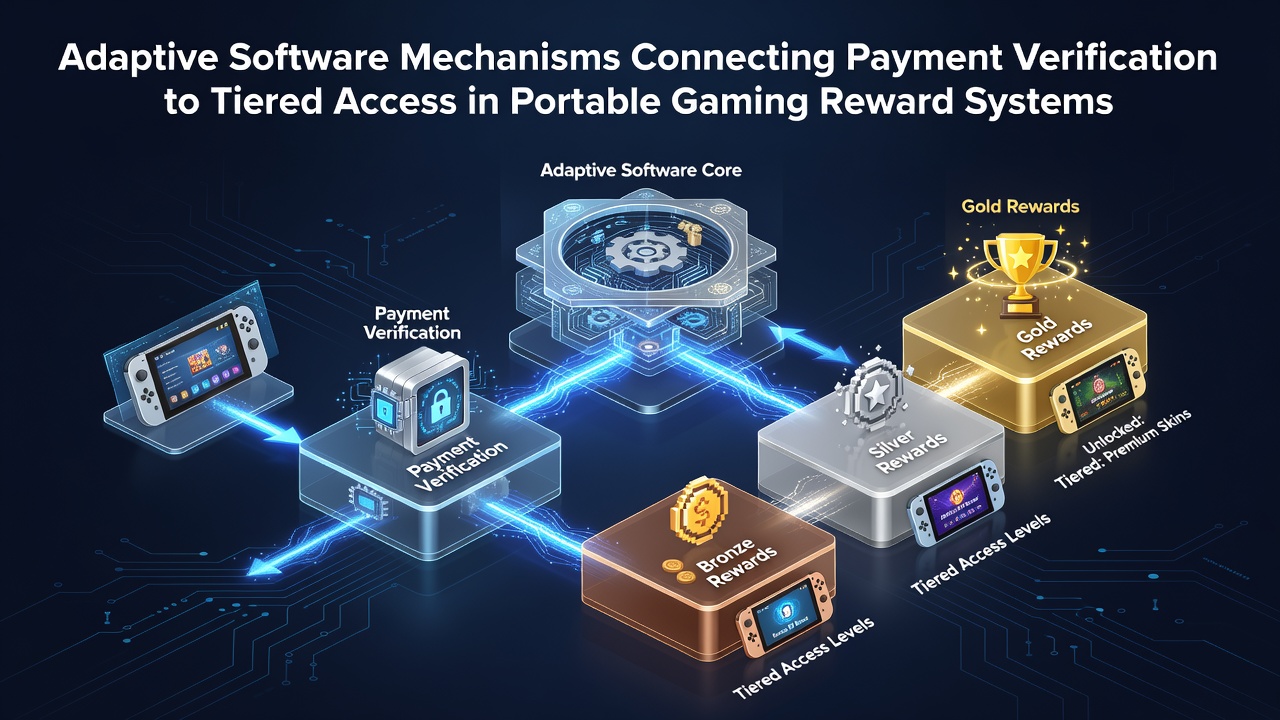
Adaptive Software Mechanisms Connecting Payment Verification to Tiered Access in Portable Gaming Reward Systems
Portable gaming reward systems rely on software that links payment verification directly to user access levels, and this connection has grown more sophisticated through adaptive mechanisms that adjust in real time based on transaction data. Developers integrate verification protocols with tier structures so that confirmed payments unlock progressive benefits such as higher reward multipliers or exclusive session features on mobile devices. In August 2026 industry observers noted continued expansion of these systems across North American and European markets as portable platforms scaled their loyalty frameworks.
Payment Verification as the Foundation for Tier Progression
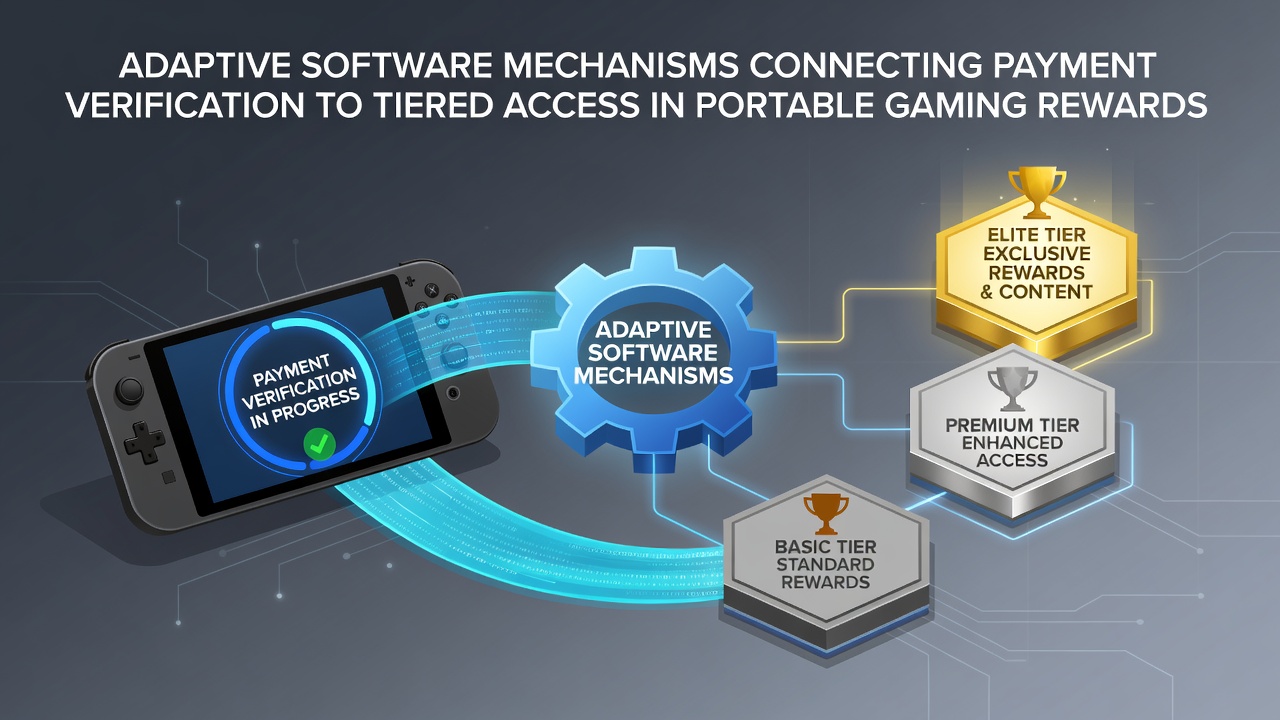
Verification processes begin when a user completes a transaction through approved channels, and the software immediately cross-checks details against security databases before assigning the appropriate tier status. This step prevents unauthorized access while establishing a clear record that determines whether the player enters basic, intermediate, or advanced reward categories. Adaptive code monitors patterns such as payment frequency and amount thresholds, then recalibrates access permissions without requiring manual intervention from operators.
Researchers at institutions focused on digital transaction security have documented how these systems reduce processing delays by embedding verification logic into the core reward engine. One study from the University of Waterloo examined mobile gaming applications and found that integrated verification shortened the time between deposit confirmation and tier elevation by an average of 40 percent compared with older sequential models. The software achieves this by running parallel checks that evaluate both financial legitimacy and historical user behavior in a single cycle.
Adaptive Algorithms That Adjust Access Dynamically
Adaptive software uses decision trees and machine learning models to evaluate incoming payment data against predefined tier criteria, and it modifies access rules on the fly when conditions change. For instance, a sudden increase in verified transaction volume can trigger an automatic shift from standard to premium tiers, granting users additional reward opportunities within the same gaming session. This responsiveness keeps the system aligned with player activity while maintaining strict compliance boundaries set by regulatory frameworks.
Developers incorporate feedback loops that analyze verification success rates across thousands of sessions, allowing the algorithm to refine its thresholds over time. When data shows consistent patterns of legitimate high-value payments, the software expands access to higher tiers more rapidly for those accounts. Conversely, any flagged irregularities prompt an immediate downgrade or temporary hold, ensuring that tier benefits remain tied exclusively to verified activity.
Implementation Across Portable Platforms
Mobile applications deploy these mechanisms through lightweight APIs that communicate between payment gateways and the central reward database, and this architecture supports seamless operation on both iOS and Android environments. The software handles variations in network conditions by caching verification results locally until a stable connection allows full synchronization, which prevents disruptions in tier status during travel or low-signal situations. Operators in regions such as Ontario have reported stable performance metrics since adopting similar frameworks in mid-2025.
Integration with device-level security features further strengthens the connection between verified payments and tier access. Biometric confirmations or token-based authentications supplement the primary verification step, creating multiple layers that the adaptive system evaluates before granting escalated rewards. This multi-factor approach has become standard in portable gaming environments where users frequently switch between Wi-Fi and cellular data.
Regulatory and Industry Context in 2026
According to figures from the New York State Gaming Commission, portable gaming platforms accounted for a growing share of licensed operations through the first half of 2026, with verification-linked tier systems appearing in the majority of new deployments. These mechanisms help operators meet requirements for transparent reward distribution while giving players predictable pathways to higher access levels. The Canadian Gaming Association has published sector overviews that highlight similar trends in provincial markets, noting that adaptive verification tools support compliance without adding friction to the user experience.
Software vendors continue to refine these connections by incorporating updated encryption standards and real-time auditing capabilities. As portable devices gain processing power, the algorithms can perform more complex risk assessments locally before transmitting results to central servers, which reduces latency and enhances privacy controls for end users.
Conclusion
Adaptive software mechanisms that connect payment verification to tiered access have become integral to portable gaming reward systems, enabling precise control over benefit distribution based on confirmed transactions. The combination of dynamic algorithms, secure verification protocols, and platform-specific optimizations allows these systems to scale across diverse mobile environments while meeting regulatory expectations. Continued development in this area focuses on faster response times and broader compatibility with emerging payment methods.