Adaptive Engines Fueling Player Progression from Free Play to Elite Status in Mobile Gaming
Written by Sage Ludwig · Aug 23, 2026
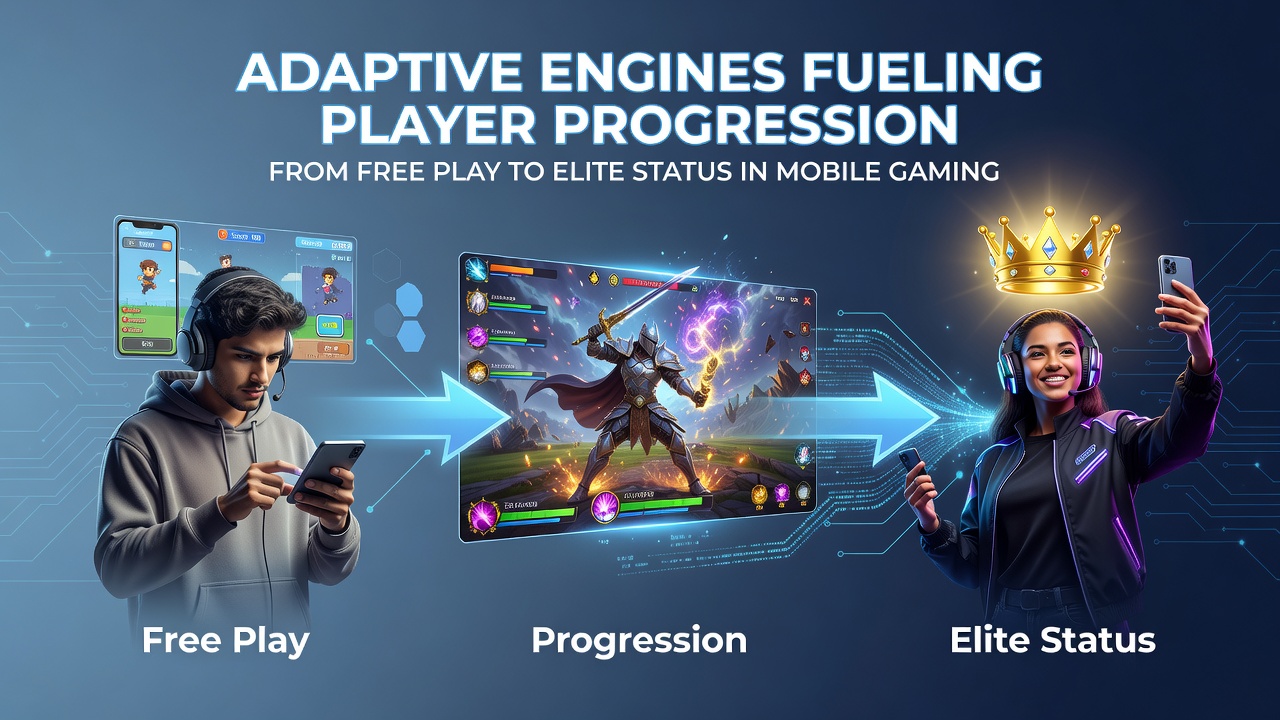
Adaptive Engines Fueling Player Progression from Free Play to Elite Status in Mobile Gaming
Adaptive engines in mobile gaming rely on real-time data analysis to adjust difficulty curves, reward structures, and content delivery based on individual player behavior patterns. These systems track metrics such as session length, win rates, and engagement drops to modify game parameters without manual intervention from developers. Data from industry reports indicates that such engines have become central to retention strategies across free-to-play titles, where initial access remains unrestricted while later stages introduce escalating challenges and premium options.
Core Components of Adaptive Progression Systems
Engine architecture typically incorporates machine learning models that process player inputs including time spent on tutorials, resource collection rates, and social feature usage. These models then generate personalized pathways that balance accessibility for newcomers with sustained depth for dedicated users. Observers note that algorithms often segment players into cohorts based on early performance data, allowing simultaneous adjustments across millions of active accounts. Research from the Entertainment Software Association shows mobile titles using these methods report average playtime increases of 25 to 40 percent compared to static designs.
Progression mechanics integrate both horizontal expansion through new characters or modes and vertical advancement via level caps or gear tiers. Adaptive layers sit on top of core loops, recalibrating enemy strength or drop rates when players stall at specific milestones. And this recalibration occurs within seconds of detected plateaus, maintaining momentum without obvious intervention.
Transition Pathways from Free Play to Elite Tiers
Players begin in free environments where core mechanics receive heavy scaffolding through guided missions and generous starter resources. As engagement metrics climb, engines introduce scarcity signals and competitive brackets that encourage investment of time or currency. Those who study these patterns find that elite status often unlocks through cumulative activity thresholds rather than single purchases, creating layered incentives that span weeks or months of play.
Monetization elements surface gradually as engines detect readiness signals such as repeated daily logins or friend referrals. Premium tracks then offer accelerated routes while preserving free alternatives that reach similar endpoints over extended periods. Figures from Newzoo’s 2026 mobile gaming analysis reveal that titles employing adaptive monetization retain 18 percent more users past the 90-day mark than those with fixed reward schedules.
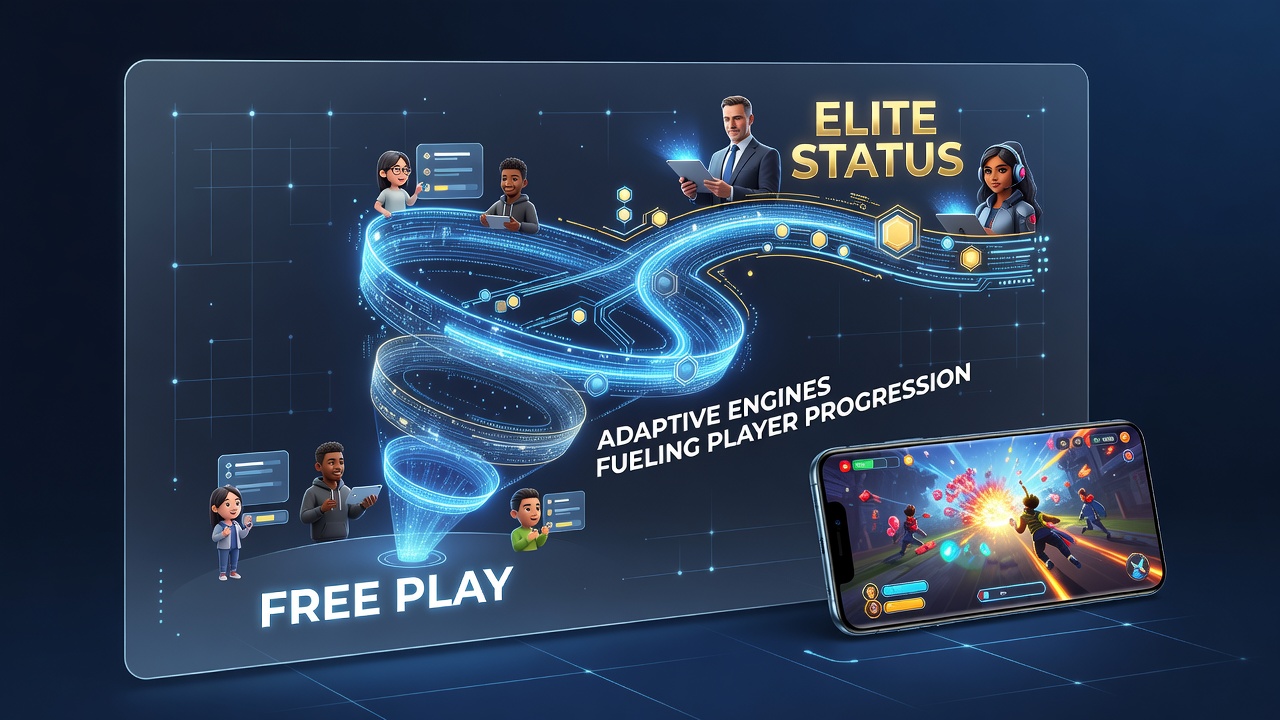
Implementation Trends Observed in August 2026
Throughout August 2026 developers released multiple updates that refined adaptive parameters in established franchises. These patches incorporated additional telemetry points such as device performance data and regional playtime distributions to fine-tune global matchmaking pools. Industry organizations including the Interactive Games and Entertainment Association documented corresponding rises in cross-device continuity, where progress synced seamlessly between smartphones and tablets without resetting engine-driven difficulty curves.
Case examples include battle royale mobile entries that dynamically scale loot quality based on recent survival statistics, while strategy games adjust opponent AI aggression to match individual win streaks. Researchers at academic institutions tracking these deployments report that such refinements reduce early churn by aligning content delivery with demonstrated skill acquisition rates.
Technical Infrastructure Supporting Long-Term Engagement
Backend systems combine cloud-based processing with on-device inference to deliver low-latency adaptations even during offline segments. Encryption protocols protect behavioral datasets while enabling aggregate analysis across user bases. And developers continue integrating sensor data from modern handsets, including touch pressure and gyroscope readings, to enrich player profiles beyond traditional in-game actions.
Security frameworks ensure that progression integrity remains intact against manipulation attempts, with anomaly detection flagging irregular patterns before they influence broader cohorts. Government agencies in regions such as Singapore’s Infocomm Media Development Authority have issued guidelines emphasizing transparent data usage in these adaptive frameworks, prompting studios to publish clearer explanations within app stores.
Conclusion
Adaptive engines continue to reshape mobile gaming by creating individualized journeys that scale from unrestricted entry points to competitive elite environments. Through continuous data refinement and cohort-specific tuning, these systems sustain engagement across diverse player segments while supporting sustainable revenue models. Industry reports and regulatory updates from 2026 confirm ongoing investment in the underlying technologies, positioning them as foundational elements for future title development.